LA Fires Exposed Millions to Toxic Metals, Study Reveals
New study links LA wildfires to toxic metal exposure affecting millions of Californians.
2 min read
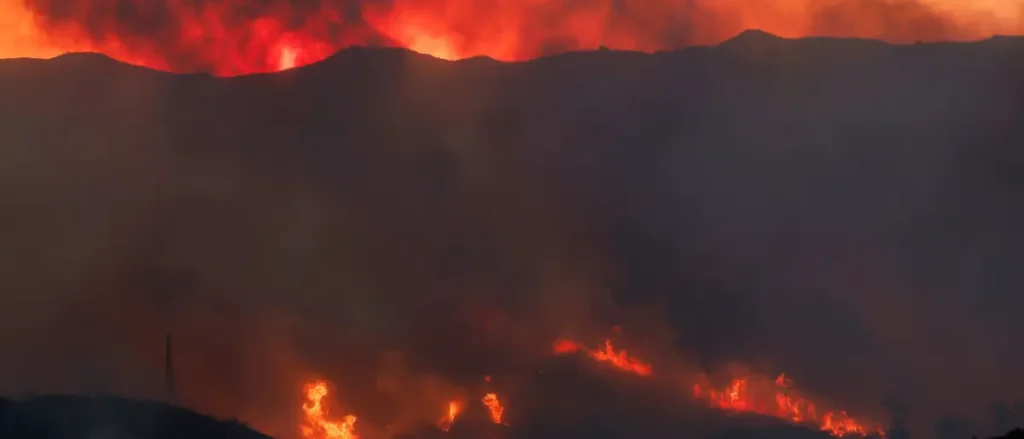
Millions of California residents were exposed to toxic metals from the 2025 Los Angeles fires, according to a new study published in Science Advances. The research found that during the first 24 hours of the devastating blaze, approximately 7 million people inhaled dangerously high levels of lead, arsenic, and other heavy metals.
Wildfires Release Harmful Particles
The wildfires, which spread through southern California two years ago, killed at least 31 people and destroyed 16,000 structures. However, the full extent of the health impact was previously unclear. Researchers used the Atmospheric Science and Chemistry Measurement Network (ASCENT) to measure airborne particles in real time during the fires. ASCENT, the U.S.’ first real-time chemical composition measurement network, provided critical data on the toxic emissions.
Comparing Smoke from Different Fires
Scientists compared the chemical makeup of smoke from the LA fires with smoke from a 2024 wildfire in Riverside County, which primarily burned vegetation. The study found that the LA fire emitted significantly more toxic metals, including 50 times more lead, three times more arsenic, and seven times more halogens.
Health Risks and Long-Term Impacts
During the peak of the fires, lead levels in the air reached more than 80 times the typical average, exposing millions of residents to harmful concentrations. The study also linked this smoke inhalation to tens of thousands of deaths across the United States in a previous analysis, highlighting the long-term health risks associated with wildfire smoke.
Urban Fires and Toxins
Researchers found that the fires released toxins from burning materials such as cars, paint, furniture, and chemicals stored under sinks. These substances contributed to the high levels of heavy metals in the air, further exacerbating the health risks for nearby residents.
Real-Time Monitoring and Future Research
Ed Avol, a professor at the University of Southern California, noted the value of real-time monitoring, which allowed for hour-by-hour data collection. This approach offers a significant advantage over traditional methods that only collect data a couple of times a week. The study underscores the importance of continued research into the health impacts of wildfires and the need for improved air quality monitoring systems.
Source: Daily Caller