Subramanyam: Ranked-Choice Voting Encourages Third-Party Strategies
Rep. Suhas Subramanyam discusses ranked-choice voting’s role in political strategy and its impact on election outcomes.
2 min read
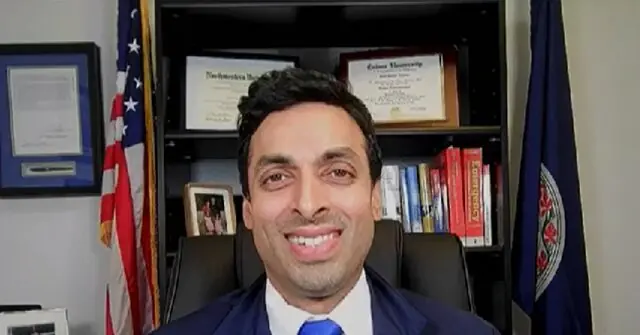
During a recent episode of ‘NewsNation Now,’ Rep. Suhas Subramanyam (D-VA) discussed how ranked-choice voting (RCV) influences political strategy, particularly in states like Alaska where the system is in place. Subramanyam noted that in Alaska, recruiting third-party candidates who can siphon votes from opponents is a recognized part of the electoral process. He expressed a personal wish that his home state of Virginia had adopted RCV, acknowledging its potential to reshape political dynamics.
Strategic Use of Third-Party Candidates
Subramanyam highlighted that Republicans have historically used third-party candidates to challenge Democrats, including efforts to elevate the Green Party’s profile to divert support from Kamala Harris. He described this as a common tactic, emphasizing that in Alaska, such strategies are not only accepted but are an integral part of the voting process.
When asked by host Connell McShane whether he would personally engage in such tactics, Subramanyam responded that he would not. However, he reiterated his belief that RCV fosters a more competitive electoral environment, where third-party candidates can play a meaningful role. He also pointed out that the current system in Virginia lacks this feature, which he feels could enhance voter participation and representation.
Implications for Electoral Strategy
Subramanyam’s comments reflect a broader debate over the impact of ranked-choice voting on electoral strategy. Supporters argue that RCV encourages candidates to appeal to a broader spectrum of voters, while critics claim it can lead to strategic voting and the marginalization of smaller parties. Subramanyam’s remarks suggest that he sees RCV as a tool that can both complicate and enrich the political landscape, depending on how it is utilized.
As the discussion unfolded, Subramanyam’s stance underscored the complexities of modern electoral strategies and the evolving role of third-party candidates in shaping election outcomes. His perspective highlights the ongoing discourse around voting systems and their influence on political competition and voter engagement.
Source: Breitbart