King Charles Tackles Slavery Reparations During Bahamas Visit
King Charles faces calls for reparations during his visit to the Bahamas, amid ongoing debates over historical accountability.
2 min read
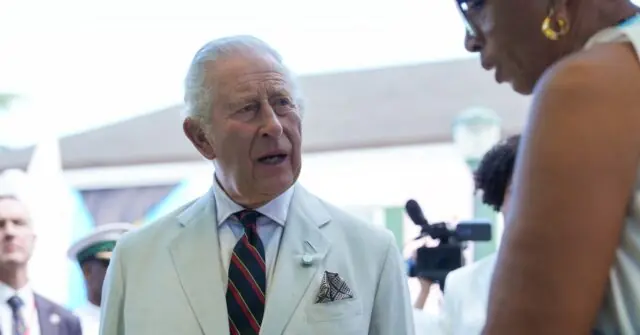
During his first official visit to the Bahamas since ascending the throne, King Charles III faced demands that the British state pay reparations for its historical role in the transatlantic slave trade. The visit, which also included a stop in Guyana, marked a significant moment in the ongoing global conversation about historical accountability and reparations.
Charles Acknowledges Past Wrongs
Charles acknowledged the painful history of the Bahamas, describing it as ‘born out of darkness’ and lamenting the injustices of the past. In a statement reported by the Nassau Guardian, he said, ‘It is only right that we should acknowledge the great suffering and injustices of the past in these islands and beyond, even as we rejoice in the successes of the present and build new opportunities for the future.’ However, the remarks were met with criticism from the Bahamas National Reparations Committee, which has previously estimated that the UK owes £18.8 trillion to 14 nations in the region for its role in the slave trade.
Reparations Committee Calls for Formal Apology
The committee criticized Charles for not acknowledging the direct responsibility of the Royal Family and the British government for the historical wrongs. ‘His comments fall short of what justice requires — a full and formal apology,’ the committee stated. The British government, under multiple prime ministers, has consistently rejected the notion of paying reparations, with Prime Minister Andy Burnham’s spokesperson stating, ‘The UK does not and will not pay reparations.’
Protests and Public Reaction
As Charles arrived in the Bahamas, a group of young students welcomed him with cheers and songs, while Rastafarian protesters chanted, ‘Pay us what you owe us!’ This mixed public response highlighted the complex emotions and expectations surrounding the visit.
Historical Context of British Involvement
Despite the calls for reparations, the UK has a history of efforts to abolish the slave trade. The Abolition of the Slave Trade Act in 1807 led to the Royal Navy’s West Africa Squadron seizing approximately 1,600 slave trade ships and freeing around 150,000 African slaves. The squadron also suffered significant losses, with over 1,587 British members losing their lives in the service of liberating slaves.
Ongoing Legal Challenges
The debate over reparations has taken a legal turn, with Jamaica launching a legal challenge at Britain’s Court of Appeal to make its case for reparations. This case underscores the growing international pressure on the UK to address its historical role in the transatlantic slave trade.
Source: Breitbart