Wisconsin Voters Decide on Tax Power Limits in November Ballot
Wisconsin voters face a constitutional amendment to limit governors’ tax authority in November.
2 min read
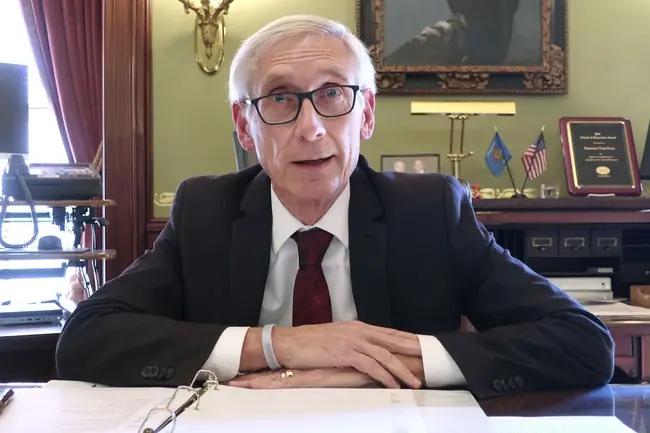
Wisconsin voters will cast their ballots on November 3 to decide whether to limit governors’ power to use partial vetoes to create or increase taxes. The issue stems from a controversial move by former Governor Tony Evers, who extended a two-year school funding increase to 2425 by manipulating the language of a bill, a maneuver upheld by the state Supreme Court in 2025.
How Evers Extended School Funding
In 2023, the Wisconsin legislature approved $325 annual increases in school district revenue limits for two years. Evers used partial vetoes to extend these increases through 2425, effectively creating a 400-year provision. The move allowed school districts to collect more property taxes when state aid didn’t cover the additional costs, without automatically raising homeowners’ tax bills.
Legal and Political Response
The Wisconsin Supreme Court upheld Evers’ maneuver in April 2025, distinguishing between deleting letters and digits in legislative language. The court relied on existing partial-veto precedent and did not overturn past rulings. However, voters are now being asked to change the underlying constitutional provision that allowed this tactic.
What the Ballot Question Entails
Question 1 on the November ballot would amend the state constitution to prohibit governors from using partial vetoes to create, increase, or authorize increases in taxes or fees. A ‘yes’ vote would add this restriction, while a ‘no’ vote would leave the current provision unchanged. The amendment would not retroactively undo Evers’ 400-year provision but would constrain future vetoes.
Why This Matters for Taxpayers
Supporters argue that the amendment ensures accountability by requiring legislative approval for tax increases, rather than allowing governors to unilaterally alter budgetary decisions. Opponents warn that such a restriction could limit a governor’s ability to address pressing issues like education funding, especially in a divided government.
Public Accountability and Governance
Proponents of the amendment emphasize the need for transparency and public accountability in how tax dollars are spent. They argue that allowing governors to manipulate legislative language to extend funding provisions sets a dangerous precedent. Voters are being asked to decide whether they want to limit the power of future governors to make such decisions without legislative oversight.
Source: PJ Media