Economy and Trump Disapproval Shape 2026 Midterm Outlook
Low approval ratings and economic concerns influence Republican prospects in the 2026 midterms, per NBC News analysis.
2 min read
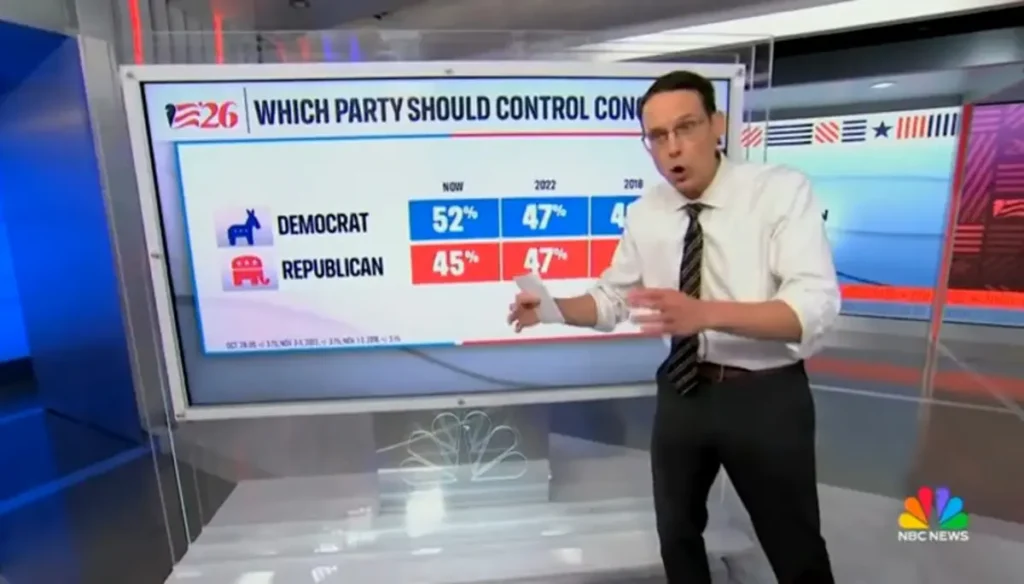
As the 2026 midterm elections approach, President Donald Trump’s declining approval ratings and the nation’s economic struggles are casting a long shadow over Republican chances of retaining congressional control. NBC News political analyst Steve Kornacki highlighted these trends during Sunday’s episode of “Meet The Press,” noting that Trump’s approval rating has dipped to 40 percent, mirroring widespread dissatisfaction with the economy.
Economic Sentiment Shifts
Kornacki pointed out that for the first time in over 30 years, a majority of respondents (51%) expressed dissatisfaction with their personal financial situation, a significant shift from previous decades. This sentiment is echoed in broader economic concerns, with nearly three-quarters (73%) of respondents expressing dissatisfaction with the affordability crisis, a stark contrast to Trump’s earlier strong support for his economic policies.
Comparing the current economic climate to Trump’s first midterm in 2018, Kornacki emphasized the contrast. In 2018, nearly 70% of voters were satisfied with the economy, a figure that has now plummeted to just 49% as of the latest poll. This shift underscores the growing challenge for Trump and the Republican Party, particularly as economic conditions have become a central issue for voters.
Partisan Divide on Key Issues
Despite the low approval ratings, the Republican Party still holds an advantage on certain key issues, such as handling the economy, government corruption, and immigration. However, the Democratic Party has gained ground on other fronts, including addressing the war with Iran and inflation, suggesting a growing divide in voter satisfaction.
“When it comes to inflation, Democrats have an advantage of a point,” Kornacki noted, highlighting how the party’s performance on economic issues has shifted. This marks a significant departure from previous years, when the Republican Party held a substantial lead on these topics.
Republican Prospects and Democratic Challenges
Kornacki also addressed the broader implications for the Republican Party, noting that while their overall favorability rating remains relatively stable compared to 2018, the Democratic Party’s favorable rating has dropped to 29%, a concerning trend for potential Democratic gains. This shift raises questions about the Democratic Party’s ability to capitalize on voter dissatisfaction with Trump, particularly in a climate where economic concerns dominate the political landscape.
As the midterms draw closer, the focus will remain on how these economic and political dynamics play out, shaping the future of congressional control and the broader political landscape in the United States.
Source: Daily Caller