OpenAI Pushes 2028 Candidates on AI Policy, Tax Reforms
OpenAI’s lobbyist urges 2028 presidential hopefuls to shape AI’s future with tax policies and public trust.
2 min read
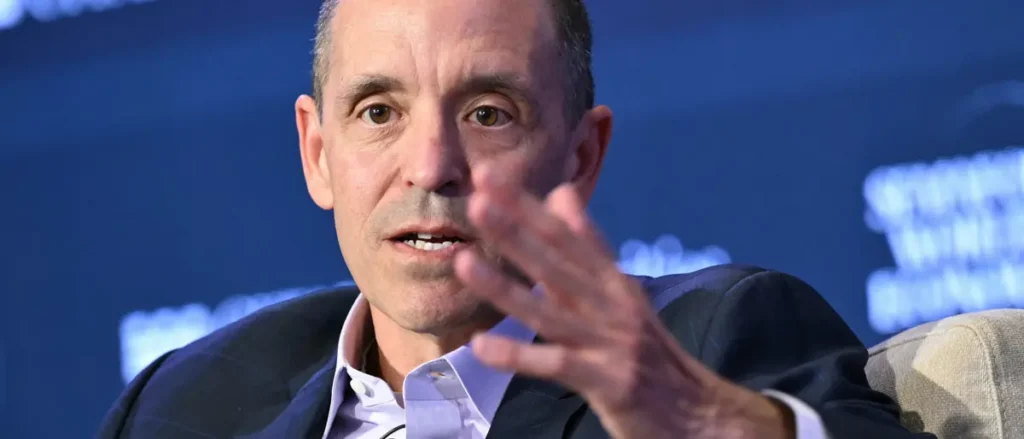
OpenAI’s top lobbyist, Chris Lehane, is actively shaping the thinking of 2028 presidential candidates on how to approach artificial intelligence, according to a memo obtained by Politico. The memo, which was circulated to several leading contenders, emphasizes the need for a positive policy platform for AI rather than just messaging against data centers.
Shaping AI Policy for 2028
The memo, which draws a historical analogy to 1932, warns that the AI revolution could compound public anxiety over disruptive technologies and eroding institutions. Lehane argues that candidates must earn the trust of Americans feeling powerless in the face of rapid change. He describes AI as a general purpose technology on the scale of the printing press and electricity.
Lehane also calls for a ‘third path’ between unchecked AI development and elite control. He notes that one-fifth of the ads Democrats aired in the midterm elections attacking data centers are concentrated in key states like Michigan, Texas, Ohio, and Pennsylvania. He warns that this messaging may not provide the answers voters are looking for in 2028.
OpenAI’s Strategy and Lobbying Efforts
OpenAI is planning a policy and public relations campaign after the midterm elections, rebranding data centers as ‘AI compute campuses.’ The company is also lobbying Congress for AI ‘speed limits’ to ensure people have more control over how AI affects their lives.
OpenAI Told Trump They’d "Rebuild" American Manufacturing… Here’s What They Were ACTUALLY Doing https://t.co/Pa84pj7f0D
Lehane, a former press secretary to Vice President Al Gore, compares a potential loss of U.S. leadership in the AI race to the 2002 vote to go to war in Iraq. He urges candidates to show voters how to shape the future of AI and benefit from its potential.
The memo highlights the need for tax policies that help Americans benefit from the AI boom, protect children, and expand opportunities. It concludes that successful candidates will not just promise to stop the future but will show how to shape it.
Industry and Political Dynamics
The AI industry is seeking to strengthen its relationship with Democrats as the party remains poised for a potential sweep of the House and Senate. Meta continues its bipartisan lobbying efforts, while OpenAI and other tech firms are navigating the political landscape to influence the upcoming election cycle.
Source: Daily Caller