Julia Letlow Defeats Jamie Davis in Louisiana Senate Race
Trump-backed candidate Julia Letlow wins Louisiana Senate race, edging out Democrat Jamie Davis.
1 min read
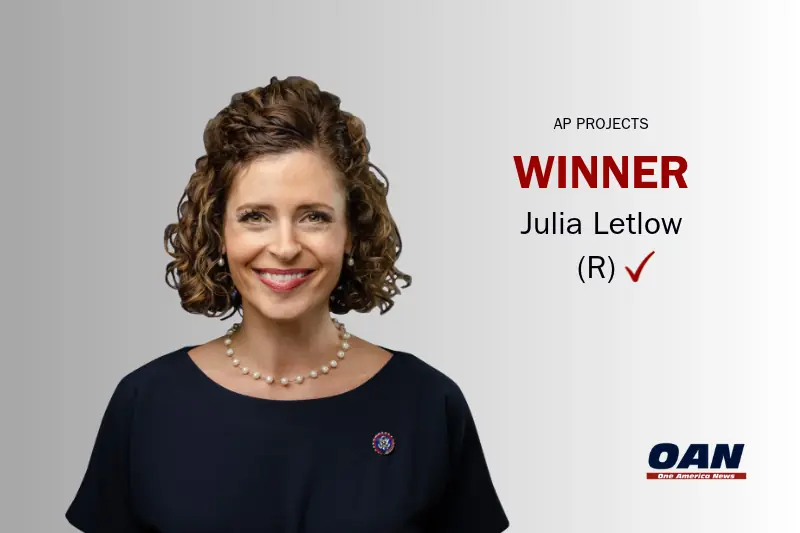
Julia Letlow, a Trump-backed Republican congresswoman, has won Louisiana’s Senate race against Democrat Jamie Davis, securing the seat with 50% of the vote. Davis received 49% of the vote, marking a narrow but decisive victory for Letlow.
Letlow’s Campaign Focus
Letlow, a Louisiana native and educator, ran her Senate campaign with a focus on supporting families, students, farmers, and law enforcement. Her campaign emphasized her commitment to the values of her home state, according to her campaign website.
Trump’s Endorsement
President Donald Trump had previously endorsed Letlow, expressing his full support for her candidacy. On Truth Social, he praised her as a highly respected and wonderful person, reinforcing her standing within the Republican Party.
Davis’s Platform
Jamie Davis, a third-generation row-crop farmer and local public servant from Waterproof in Tensas Parish, campaigned on a platform focused on working families. His economic agenda included reversing corporate tax breaks, strengthening market competition, raising the federal minimum wage, and investing in infrastructure to support local agriculture and create high-paying jobs across both rural and urban communities.
Healthcare and Education Focus
Davis also emphasized healthcare, advocating for safeguarding Medicaid access, preserving Obamacare premium subsidies, leveraging Medicare to lower prescription drug costs, and establishing a public Medicare option to protect rural hospitals and prevent medical bankruptcy. His platform also included stronger federal support for public education, competitive regional teacher pay, and expanded vocational and technical career training.
Political Implications
The outcome of the race underscores the shifting political landscape in Louisiana, with Letlow’s victory reinforcing Republican influence in the state. As the Senate race concludes, attention now turns to the broader implications of this result for national politics.
Source: OANN