Voter ID Passes in NC, NV, OH; Fails in CA, AZ, CO
Voter ID measures pass in North Carolina, Nevada, and Ohio but fail in California, Arizona, and Colorado during midterm elections.
1 min read
Despite Democratic victories in key states, voter ID measures saw strong support in North Carolina, Nevada, and Ohio, while failing in California, Arizona, and Colorado during the midterm elections. The results reflect a mixed outcome for voter ID laws across the country.
Ohio Passes Voter ID with Wide Margin
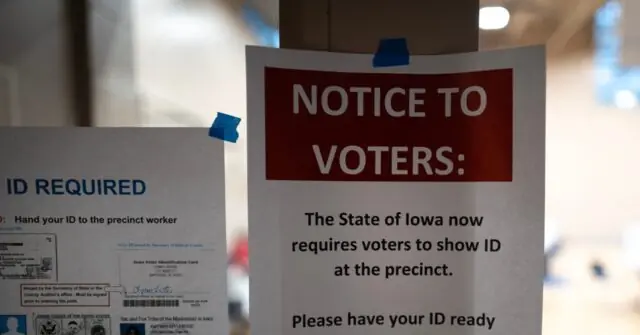
Ohio voters overwhelmingly approved a constitutional amendment that enshrines photo ID requirements for in-person voting and allows for photo ID or signature plus another identifier for mail and absentee ballots. The measure passed by a 66 to 34 percent margin, locking in existing statutory photo ID rules constitutionally. This was a second passage in 2024, with a 62 to 38 percent margin.
North Carolina Approves Tax Restrictions
North Carolina also passed two conservative constitutional amendments. Voters approved a measure to keep the state income tax rate from being raised above 3.5 percent, with a 62 to 38 percent margin. Another amendment limits property tax increases, passing by a 60 to 40 percent margin.
Arizona, California, and Colorado Reject Voter ID
In contrast, Arizona saw a 12-point drop in voter ID support, with 56 to 44 percent in favor. California failed the measure by 18 points, with 59 to 41 percent voting against it. Colorado rejected the measure by 26 points, with 63 to 37 percent voting no.
Analysis of Midterm Outcomes
Despite the Democratic sweep in key states, the voter ID measures show a significant public support for stricter voting regulations in certain regions. The results highlight the varied attitudes toward voter ID laws across different states.
While the outcomes in Arizona, California, and Colorado indicate a lack of public support for voter ID, the passage in Ohio and North Carolina suggests a growing acceptance of such measures. The results underscore the importance of voter ID in shaping election policies and public perception of voting integrity.
Source: Breitbart