Voters Push Back on Data Centers in Midterm Elections
Midterm elections show widespread support for data center restrictions across multiple states.
2 min read
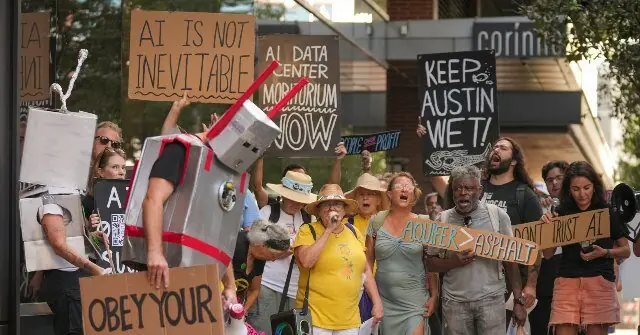
Midterm elections have delivered a clear message to the data center industry: voters are pushing back against large-scale data center development. Across at least 41 jurisdictions in 10 states, voters approved moratoriums or restrictions on data center projects, signaling a growing public concern over their environmental and community impacts.
Statewide Shifts and Local Bans
Ohio, Maine, and Kansas saw significant local action, with multiple municipalities passing bans or temporary moratoriums on data center development. In Ohio, at least 14 towns, including Sunbury, where Amazon proposed a $2 million data center project, voted to restrict such developments. Maine had eight municipalities approve temporary moratoriums, while Emporio, Kansas, voted to ban high-impact data centers after a major project was proposed for the area.
The only exception was Hardwood, North Dakota, where voters rejected a proposed data center restriction, highlighting the regional disparities in public sentiment.
Political Repercussions and Legislative Responses
The anti-data center sentiment extended to state-level politics. In Texas, Democrat Gina Hinojosa defeated Republican Greg Abbott, a historic result, after campaigning on moratoriums and tighter regulations for the data center industry. Abbott had previously shifted his stance, moving away from supporting data center subsidies.
Similarly, Keisha Lance Bottoms and Amy Acton won governorships in Georgia and Ohio on promises to impose moratoria on large data center projects. Florida had already taken action with Governor Ron DeSantis signing strict regulations on large-scale data centers in May.
Industry Reactions and Market Implications
Elon Musk, who spent over $400 million supporting conservative candidates, responded to the election results on X, suggesting that data centers in space might become more appealing. Wall Street analyst Dan Ives warned that the results will slow data center development and complicate efforts to pass AI and tech legislation in Washington, especially with Democrats gaining control of the Senate.
Ives highlighted Texas as the most concerning outcome for the data center industry, noting that the state accounts for 25%-30% of the country’s data center capacity. He called the result a defining worry for tech investors and the AI sector.
Source: Breitbart