Conservatives Face Urgent Push to Save Court Majority
With Democrats in control, Republicans race to replace Alito or Thomas before 2025.
2 min read
Following a significant loss in the midterm elections, Republicans now face a critical window to preserve the Supreme Court’s conservative majority. With Democrats set to take control of the Senate in January and maintain it for at least six years, the focus has shifted to securing replacements for aging justices before the next presidential election.
Time is Running Out
Justice Samuel Alito, 76, and Justice Clarence Thomas, 78, are both nearing the end of their terms. If either steps down, Senate Republicans could confirm a replacement during the 60-day lame-duck session. However, if a vacancy opens after January, Democrats are unlikely to support a Trump nominee, as seen in the case of Justice Amy Coney Barrett, who was confirmed in 2020 after Justice Ruth Bader Ginsburg’s passing.
The Role of the Senate
Senate Majority Leader John Thune (R-S.D.) has expressed support for a quick confirmation process during the lame-duck session, calling it the top priority for Republicans. This indicates that the votes are in place, though the will to act remains uncertain.
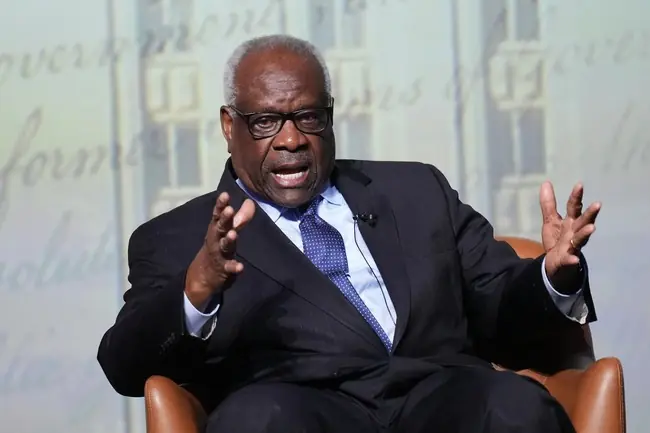
Clarence Thomas: A Key Target
While Justice Alito has ruled out retiring this year, Justice Thomas remains a potential target. Conservatives admire his decades of service and his steadfast defense of constitutional principles. Replacing him now could secure the conservative majority for years, allowing a younger originalist to carry his legacy forward.
Political Realities
Despite the urgency, the political landscape is complex. Democrats have shown no hesitation in blocking Supreme Court nominees from Trump or any Republican successor. The risk of losing the conservative majority is high if the window closes without action.
A Torn Decision
For many conservatives, the idea of asking Justice Thomas to retire feels like a personal loss. Yet, the alternative—watching the Court shift toward a more liberal stance—feels even more dire. The balance between honoring a lifetime of service and securing the future of the judiciary remains a difficult one.
Source: PJ Media