Newsom’s Death Row Commutations Spark Legal and Emotional Pushback
California’s governor faces legal challenges and backlash over mass commutations of death row inmates.
2 min read
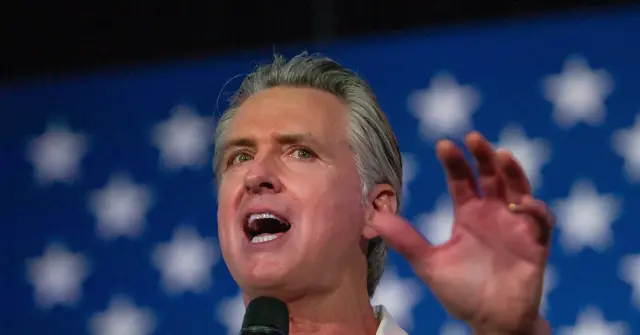
California Governor Gavin Newsom’s decision to commute the sentences of 548 death row inmates has ignited fierce legal and emotional opposition from prosecutors across the state. The unprecedented move, described as the largest clemency order in U.S. history, has drawn sharp criticism from district attorneys, who argue it undermines the justice system and disregards the victims of violent crimes.
Prosecutors Decry the Decision
Prosecutors have expressed outrage over the governor’s decision, highlighting the brutal cases of victims like Rachel Newhouse, Aundria Crawford, and Kesha Gurke. These cases, involving serial rapist and killer Rex Allan Krebs and the torture of a toddler by Michael Whisenhunt, have been cited as examples of why the death penalty is justified. Dan Dow, district attorney for San Luis Obispo County, criticized the move, stating, “Governor Newsom just told the families of Rachel Newhouse, Aundria Crawford, Kesha Gurke, and every other innocent victim of California’s 548 condemned killers that the killers’ lives matter more.”
Legal Hurdles and Constitutional Challenges
Newsom’s commutation faces significant legal hurdles. California’s Constitution requires the state Supreme Court to recommend commutations for those with multiple felony convictions, and 382 of the 548 inmates meet this criterion. The Supreme Court’s review process could take substantial time, potentially delaying the implementation of the governor’s order.
Victims’ Advocacy and Legal Challenges
Anne Marie Schubert, a former district attorney and leader of the Criminal Justice Legal Foundation, announced that her group will challenge the governor’s order, citing concerns over the rule of law and victim rights. “We are doing this on behalf of crime victims and the rule of law,” she said.
Public and Legal Reactions
Greg Totten, CEO of the California District Attorneys Association, criticized Newsom for using clemency as a tool of personal policy. “It was never intended to serve as a substitute for the legislative process,” he stated. As the legal battle unfolds, the decision has sparked a broader debate about the role of executive power in the justice system and the rights of victims.
Source: Breitbart