Democrats Seek Electoral Reform After Midterm Landslide
Democrats explore replacing Electoral College with national popular vote after midterm victory.
2 min read
Following a significant Democratic victory in the midterms, the party is considering a major reform to the U.S. presidential election system. One of the key proposals is to replace the Electoral College with a national popular vote system. This idea has been a long-standing goal for many Democrats, and the recent election results have brought it closer to reality.
The National Popular Vote Interstate Compact
The National Popular Vote Interstate Compact (NPVIC) is already supported by 18 states and the District of Columbia. This compact would require participating states to award their electoral votes to the candidate who wins the national popular vote, regardless of the outcome in their state. Currently, these states hold 222 electoral votes, but the compact can only take effect once it reaches 270 votes, the threshold needed to win the presidency.
Focus on Key States
The focus is now on the five states where Democrats gained control of the governor’s office and both legislative chambers: Pennsylvania, Michigan, Arizona, Wisconsin, and Nevada. If these states join the compact, they would provide the necessary electoral votes to activate it. A previous attempt by Nevada to join the agreement was vetoed by its Democratic governor in 2019.
Legislative and Legal Challenges
Several lawmakers have already begun discussing legislation for the next session, with hopes of enacting the compact before 2028. Michigan state Rep. Carrie Rheingans told the New York Times that the ‘blue tsunami’ of the midterm results is expected to push this reform forward. However, experts warn that the compact will face significant legal challenges.
Derek Muller, an election law expert at Notre Dame Law School, noted that interstate compacts traditionally require approval from Congress and the president. While it is possible that enough states will join the compact, there will be a lot of legal hurdles to overcome.
Historical Context and Public Opinion
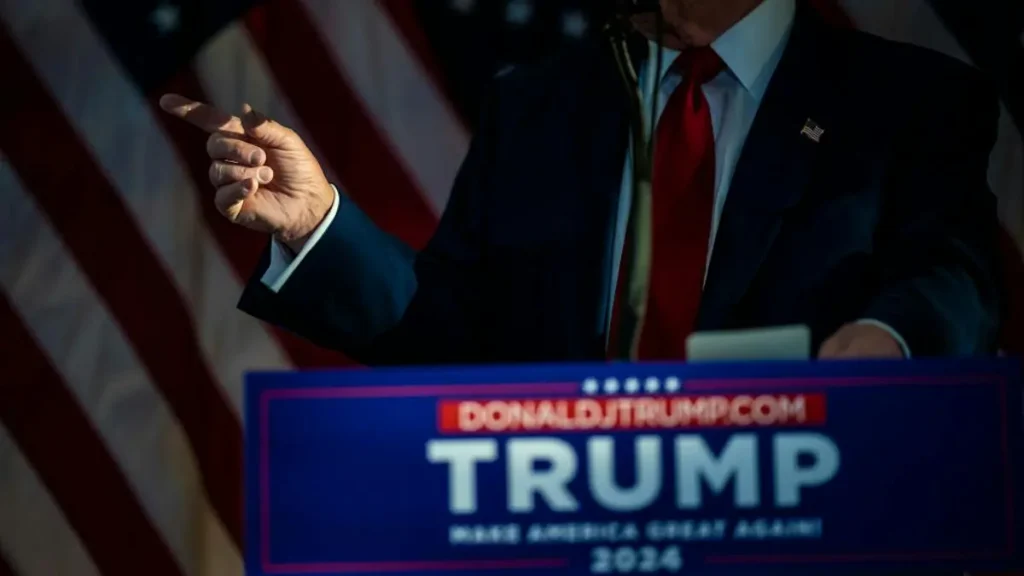
The push for the national popular vote gained particular attention after the 2000 election, when George W. Bush was elected despite losing the popular vote. This situation has occurred four other times, including in 2016 when Donald Trump won the presidency but lost the popular vote.
A YouGov poll from June 2026 showed that 56% of adults believe a president should be elected by popular vote rather than the Electoral College. This growing public support may help Democrats in their efforts to reform the system.
Source: Daily Wire