Google Tests AI Chips in Space for Future Data Centers
Google launches satellite with AI chips to test orbital data center technology.
1 min read
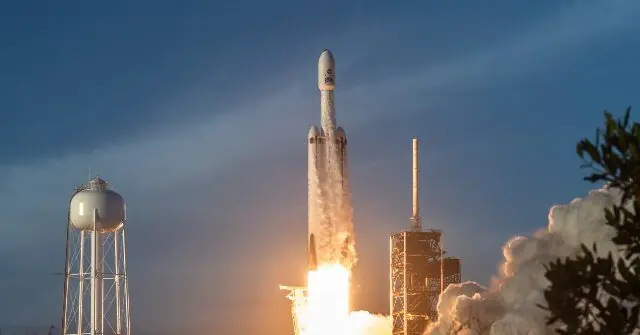
Google is set to launch a satellite equipped with its AI chips into orbit as part of an experimental project to explore the feasibility of hosting AI data centers in space. The satellite, part of Google’s ‘Project Suncatcher,’ will be launched on a SpaceX Falcon 9 rocket on October 1. The mission aims to test how the company’s Tensor Processing Units (TPUs) perform in the harsh conditions of space, including extreme temperatures, radiation, and physical stress.
Testing Hardware in Orbit
The satellite will operate in low Earth orbit, drawing power from solar energy. According to Google, the primary goal of the launch is to assess the durability and performance of the TPUs in space. Ground tests have shown the chips can withstand significant g-forces and radiation, but heat remains a major challenge. The company is testing a new cooling system using heat pipes and radiators to address this issue.
Challenges and Future Plans
Travis Beals, senior director of product management for Project Suncatcher, noted that the chips can only run for about 15 minutes before needing to cool down. This short operational window highlights the need for further development before any practical application. Beals emphasized that this launch is a first step, with the ultimate goal of creating a constellation of satellites for scalable AI computing in space.
Industry Interest and Implications
Google is not the only company exploring space-based data centers. Elon Musk, Jeff Bezos, and former Google CEO Eric Schmidt have all proposed similar ideas. The potential benefits of space-based data centers include reduced land and power requirements, as well as improved resilience to Earth-based environmental factors. However, the technology is still in its early stages, and significant engineering challenges remain.
Source: Breitbart