U.S.-China Tariff Deal Cuts $30B Barriers, Boosts Coal Imports
U.S. and China agree to cut tariffs on $30 billion in goods, including coal imports, amid trade tensions.
2 min read
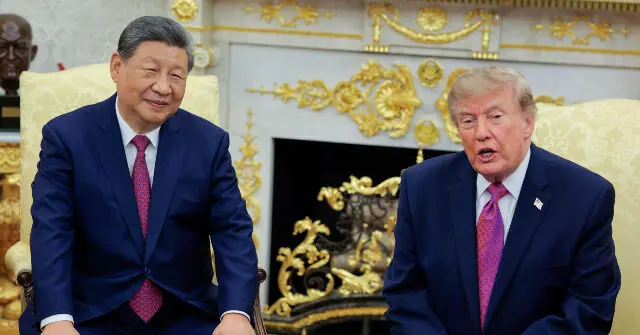
The United States and China have reached an agreement to reduce tariffs on a range of consumer and agricultural products, signaling a potential easing of trade tensions between the two nations. This came after a high-level summit between President Donald Trump and Chinese President Xi Jinping, which focused on addressing long-standing trade disputes.
Tariff Reductions on $30 Billion in Goods
The agreement, reported by Axios, covers $30 billion in “non-sensitive goods” and is part of a broader trade package negotiated during the Trump-Xi summit. The White House confirmed that China will lower tariffs on agricultural products, seafood, wood products, cosmetics, and medical devices. In exchange, the United States will reduce tariffs on small appliances, toys, holiday decorations, and children’s car seats. These reductions are expected to lower prices for American consumers and ease the impact of previous trade restrictions.
China Commits to Buying U.S. Coal
As part of the deal, China has agreed to import 10 million metric tons of American coal in 2027 and another 10 million metric tons in 2028. This marks a significant step for U.S. coal exports, which had been sharply reduced by China in 2025 amid the trade war. The move is seen as a positive development for the U.S. coal industry, which has struggled to find markets amid the global shift toward renewable energy.
Ongoing Work on Supply Chain Issues
The White House also noted that the U.S. and China continue to address supply chain shortages related to rare earths and other critical minerals. The goal is to ensure that shipment levels return to appropriate levels, which is essential for industries reliant on these materials.
Trade Dispute and Economic Challenges
The agreement follows a trade dispute that intensified in April 2025, when China’s state-run Global Times accused Trump of using tariffs to “blackmail” Beijing. The dispute has had a significant impact on China’s economy, which faces challenges such as dependence on exports, declining foreign investment, a prolonged real estate crisis, high youth unemployment, and financial pressures from the Belt and Road Initiative.
Global Economic Implications
China’s economy grew by 5.2 percent in the second quarter of 2025, slightly below the 5.4 percent growth seen in the first quarter. Despite this, the growth exceeded analysts’ expectations. However, economists warn that the economic growth could weaken as export orders decline and the effects of U.S. tariffs become more apparent. A Goldman Sachs report estimated that Chinese home prices had fallen by approximately 20 percent over the preceding four years and could decline another 10 percent before 2027.
Source: Breitbart