Hurricane Polo Weakens, Flood Advisories Hit SoCal
Hurricane Polo weakens as it moves inland, prompting flood advisories along Southern California’s coast.
1 min read
Hurricane Polo, which initially made landfall as a Category 2 storm along Baja California Sur, has weakened to a tropical storm as it moves inland. The storm brought heavy rain, rough surf, and strong winds, causing flooded streets and damaged property along Mexico’s Pacific coast.
Flood Warnings and Damage in Baja California
Polo unleashed violent winds and torrential rain, with sustained winds reaching 105 to 110 mph in Baja California. The National Hurricane Center (NHC) issued warnings about life-threatening floods and mudslides, particularly in mountainous areas of Baja California, Sonora, and the Southwestern Mexico Coast. Some regions received 6 to 12 inches of rain, while southern and central Sonora saw 4 to 6 inches, with isolated totals reaching up to 8 inches.
Impact on Southern California
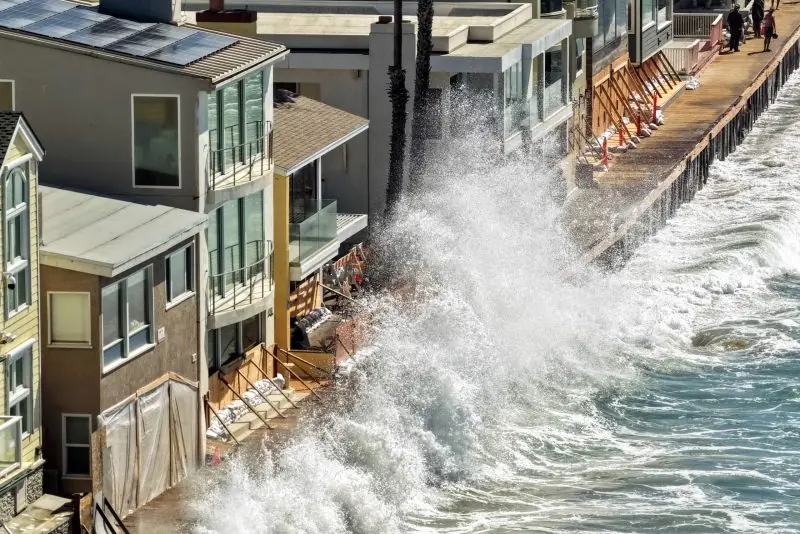
The storm’s offshore swells reached Southern California, prompting coastal flood advisories across beach communities due to powerful waves and dangerous rip currents. While SoCal continues to see high swells and hazardous swimming conditions, no significant rain is anticipated. The remnants of Polo are currently tracking northeast at roughly 17 to 21 mph, heading toward the inland U.S. Southwest toward southern New Mexico and West Texas.
Storm Progression and Forecast
Polo tracked north-northeast and crossed the Gulf of California before making a second landfall along the coast of Sonora, Mexico. Maximum sustained winds have decreased to around 65 mph, with tropical-storm-force winds extending outward up to 60 miles. As the storm weakens, its impact shifts from direct flooding to coastal hazards in Southern California.
Residents are urged to stay informed and monitor updates as the storm’s remnants continue their journey inland. Emergency management officials are closely tracking the storm’s path and potential impacts on both coastal and inland regions.
Source: OANN