Senate Energy Permitting Deal Aims to Cut Sue Deadline to 150 Days
Senate negotiators unveil a deal to shorten lawsuit deadlines for energy projects from six years to 150 days.
2 min read
Senate negotiators have reached a deal that could significantly reduce the time opponents of energy projects have to sue, cutting the deadline from six years to just 150 days, according to reports. The agreement, which is expected to be released this week, aims to streamline the permitting process under two federal laws that govern environmental and historic reviews of major projects.
Key Details and Goals
The Republican version of the bill sets a 150-day deadline for lawsuits under the National Environmental Policy Act (NEPA) and the Clean Water Act. This change is intended to expedite the approval process for energy projects, which have often faced lengthy legal delays. The bill would need to pass both the Senate and House and be signed by President Donald Trump to become law.
Under current federal law, the NEPA requires federal agencies to review the environmental effects of proposed projects. A completed review can currently face a legal challenge for up to six years, according to the Bipartisan Policy Center. The new proposal aims to cut this period dramatically, reducing the potential for prolonged litigation.
Democratic Concerns and Clarifications
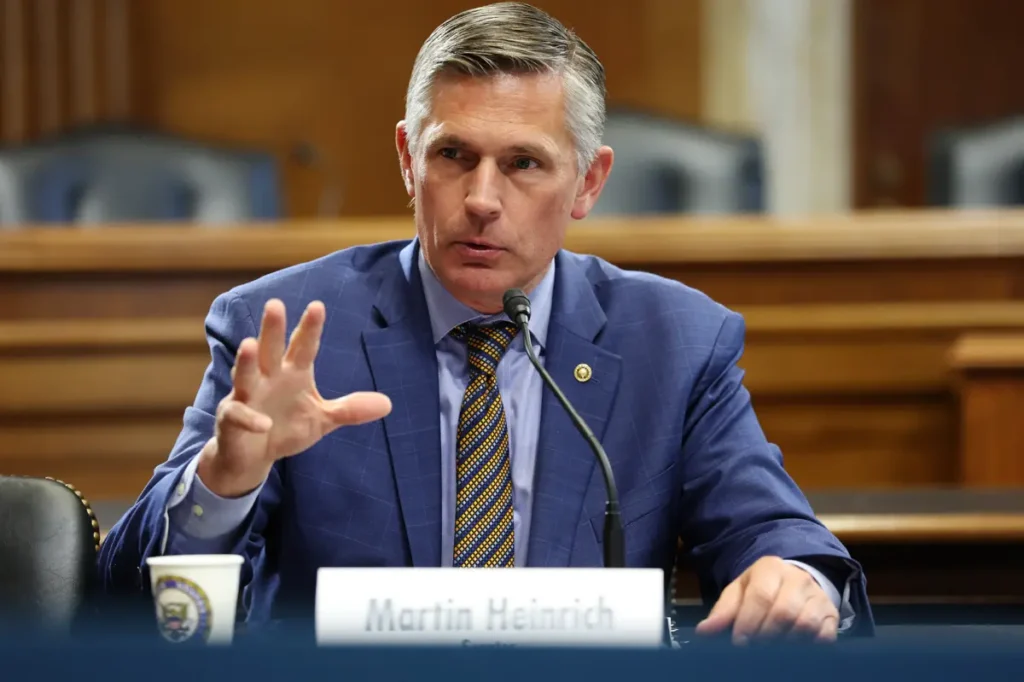
Democratic senators, including Martin Heinrich and Sheldon Whitehouse, have expressed concerns about the Trump administration’s approach to wind and solar approvals. Whitehouse emphasized the need for more clarity on how the administration would handle these projects under the new rules.
Republican leaders, including Shelley Moore Capito and Mike Lee, have stated that they are working to finalize the details of the agreement before the Senate recesses ahead of the midterm elections. Capito noted that lawmakers are running out of time, highlighting the urgency of the legislative process.
Impact and Legal Context
The proposed changes could have a significant impact on the energy sector, potentially accelerating the approval of new projects. According to a Breakthrough Institute review, lawsuits under NEPA delayed energy projects by an average of 3.9 years from 2013 to 2022, even though federal agencies won 71% of those cases. The new deadline could reduce these delays, allowing projects to move forward more quickly.
Nongovernmental organizations have historically filed the majority of energy-related lawsuits, with just 10 organizations accounting for 48% of all cases. The proposed changes could alter the landscape of these legal challenges, potentially shifting the balance of power in favor of project proponents.
Legislative Timeline and Challenges
The House passed a similar 150-day limit in December 2025 as part of the SPEED Act. However, the Congressional Progressive Caucus opposed that bill, arguing that the 150-day window was too short. The Senate is not scheduled to return until after the Nov. 3 midterm elections, which could further delay the legislative process.
Despite the challenges, the agreement represents a significant step toward streamlining the permitting process for energy projects, potentially reducing the time and cost associated with legal challenges.
Source: Daily Caller