Italy Extends Schengen Suspension with Spain for Third Time
Italy extends Schengen border suspension with Spain as Ceuta migrant crisis persists.
2 min read
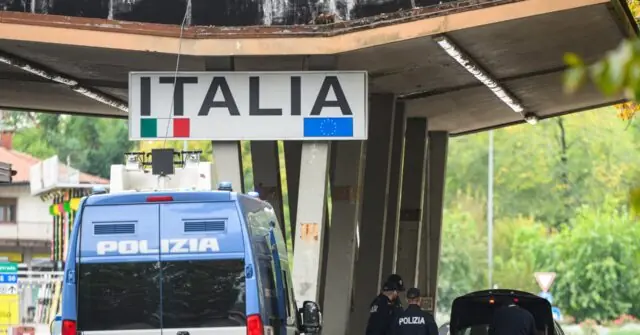
Italy has extended its suspension of the Schengen open-borders agreement with Spain for a third time, adding an additional 15 days to the existing restrictions. The decision follows the ongoing migrant crisis in the Spanish exclave of Ceuta, which has prompted heightened border controls and security measures.
Italy’s Response to Ceuta Crisis
The mass migration into Ceuta in late July led Italy’s Prime Minister Giorgia Meloni to suspend the Schengen Agreement with Spain, aiming to protect its territory and citizens. Italy has since enforced air and sea border checks on Spanish citizens traveling inbound, a measure initially set to last about a month.
Despite the initial time frame, the situation in Ceuta remains unresolved as of late September. Italy has repeatedly extended the suspension of the Schengen Agreement with Spain, citing the ongoing challenges and risks associated with the migrant influx. Interior Minister Matteo Piantedosi announced the decision in an official press release, emphasizing the need to strengthen European border protection and counter potential security threats.
Spain’s Reciprocal Measures
The Spanish government, led by Prime Minister Pedro Sánchez, has strongly opposed Italy’s actions, implementing reciprocal border controls on Italian travelers entering Spain. These measures were first introduced on August 8 and are currently in effect until October 8. Spanish public broadcaster RTVE noted that the suspension remains valid through that date.
While Spain has not publicly announced a new extension, unnamed sources within the Spanish Interior Ministry have informed the news service ANSA that Madrid plans to officially extend its border checks on Italian travelers for an additional 15 days in response to Italy’s latest measures.
European Commission Informed
The Italian Interior Ministry has communicated the decision to the European Commission and other EU member states, highlighting the importance of maintaining border security in light of the ongoing crisis. The situation underscores the complexities of managing migration flows and ensuring national security within the Schengen framework.
Source: Breitbart