Man Sues Cornell Over ‘Cornell 7’ Allegations
Former Cornell student sues over alleged policy violations in ‘Cornell 7’ case.
2 min read
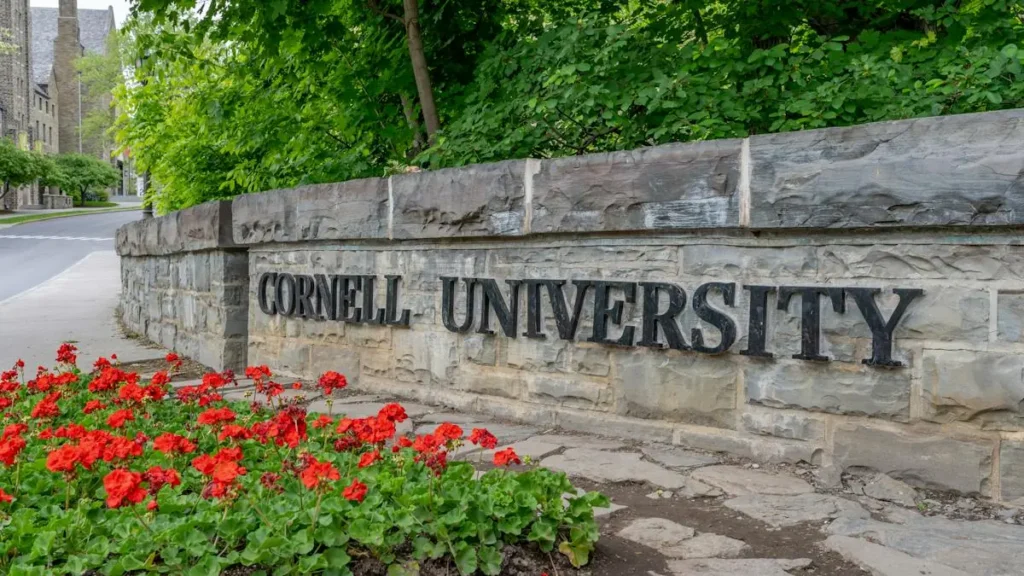
A former Cornell University student, referred to as John Doe in court documents, has filed a lawsuit against the university, alleging that it violated its own policies during an investigation related to the ‘Cornell 7’ case. Doe, a former fraternity member, claims that he was wrongly found responsible for an offense he was not charged with, and that the university failed to provide him with a fair defense.
Case Background and Allegations
Doe admitted to being present at the Chi Phi house on the night of the alleged assault, but maintains that he was not involved in the incident. He claims that the university’s hearing panel found him responsible for Attempted Sexual Exploitation, despite the fact that he was not charged with that offense. Doe argues that he built his defense around the two charges he faced, and never had the chance to address the third.
According to court documents, the university initially charged Doe with Sexual Assault and Sexual Exploitation under its Title IX policy. However, the panel later found him responsible for Attempted Sexual Exploitation, which Doe claims was not part of the original charges. He also alleges that one of the panel members was present via Zoom while driving, which he claims compromised the hearing.
Legal Arguments and Requested Relief
Doe’s lawsuit argues that Cornell misapplied its policies and acted arbitrarily, and he is requesting the court to declare that the university violated its own procedures. He also seeks to have the panel’s decision annulled, vacate all penalties, and expunge any references to the charges from his academic record.
Doe submitted evidence, including a hair follicle test proving he was negative for ketamine, to support his case. He denies any physical contact with the alleged victim and claims that he left the room after confirming both parties were okay.
University Response and Hearing Outcome
Cornell’s appeal panel rejected Doe’s argument about the panel member’s presence during the hearing, stating that the member was only present for a minimal portion of the multi-day process. The university maintains that Doe was found responsible for Attempted Sexual Exploitation based on the evidence presented during the hearing.
Source: Daily Wire