Cocaine Bust Doesn’t Tackle Black Market
A Pennsylvania cocaine ring bust highlights the limits of law enforcement in curbing drug demand.
2 min read
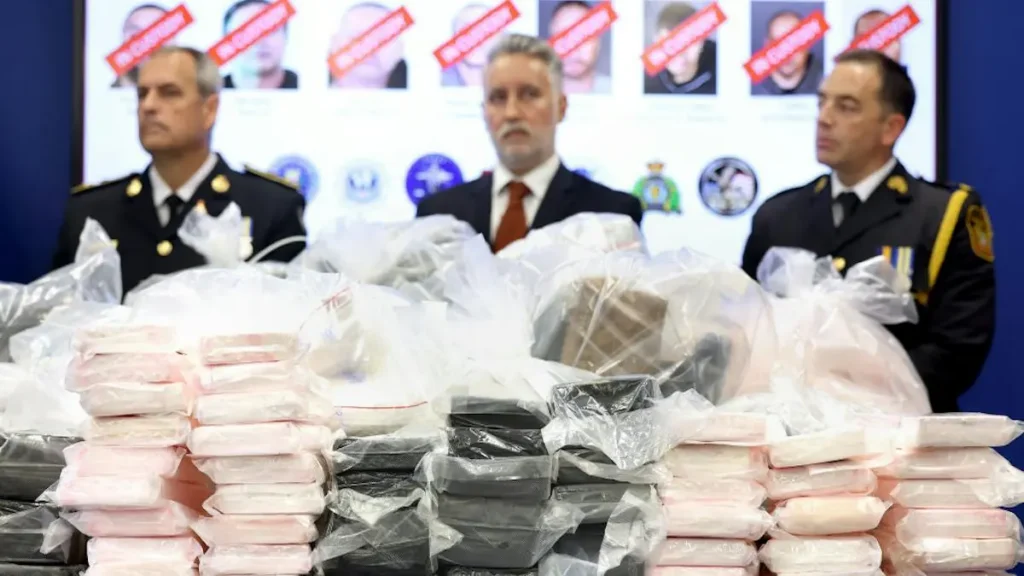
A recent cocaine trafficking bust at a Penn State fraternity house has drawn attention to the limitations of law enforcement in addressing the broader black market. While authorities arrested 14 individuals, including 13 students, the operation was merely one part of a larger, systemic issue.
Fraternity Involvement in Cocaine Distribution
According to a grand jury presentment, the alleged operation involved fraternity members who used a boiler room to shred and package cocaine. The group reportedly prepared 200 to 300 half-gram bags at a time. Cocaine was allegedly brought in from Philadelphia and New York, cut, and packaged at fraternity houses before being sold to students.
Prohibition and the Black Market
Despite the bust, the broader cocaine market remains largely untouched. The United Nations’ 2026 World Drug Report indicates that global cocaine production reached 4,100 metric tons in 2024, a fourfold increase since 2014. Cocaine use has also grown by over a third during the same period.
Challenges of Law Enforcement
Drug enforcement officials may view the bust as a success, but the reality is more complex. While authorities can remove a supplier, they cannot eliminate the demand that sustains the market. As long as there is demand, someone else will step in to fill the gap.
Freedom Conservatism and Drug Policy
For freedom conservatives, this raises a critical question: is drug prohibition itself helping to sustain the black market? The Penn State case shows how an institution of civil society became part of the distribution network, with fraternity hierarchy and loyalty facilitating the operation.
Risks of an Unregulated Market
Prohibition pushes the market underground, where safety is compromised. A study of the unregulated stimulant supply found up to 15 substances in a single sample, with powder cocaine containing an average of 2.39 substances. This unpredictability poses significant health risks to users.
Reevaluating Drug Policy
The current approach to drug policy, measured by arrests rather than outcomes, may be flawed. The time has come to rethink how we evaluate the effectiveness of drug enforcement and consider alternative strategies that prioritize public safety and individual liberty.
Source: Daily Wire