Standing Rock and California Show Energy Infrastructure’s Long-Term Impact
How past energy projects and refinery closures shape today’s fuel markets and policy debates.
2 min read
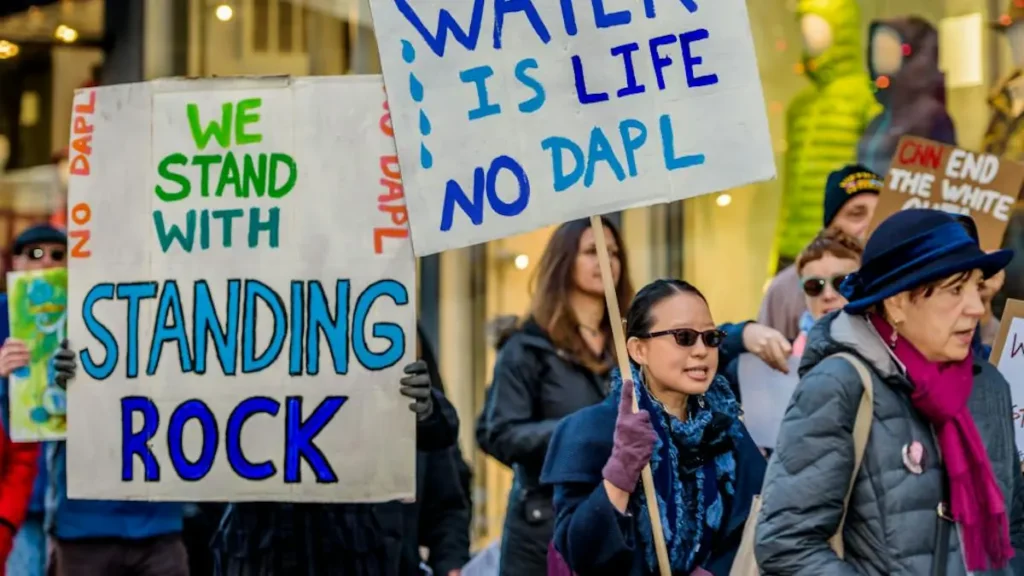
Ten years after the Standing Rock protests, the Dakota Access Pipeline continues to operate, transporting over 750,000 barrels of oil daily through the Bakken Pipeline system. The project, initially opposed by activists, now stands as a testament to the resilience of infrastructure development. Meanwhile, California faces a different challenge: a decline in domestic refining capacity, raising concerns about fuel supply and price volatility.
The Standing Rock Legacy
The 2016 protests against the Dakota Access Pipeline highlighted the tension between environmental activism and energy infrastructure. Despite initial opposition, the project was permitted under strict conditions, including an updated federal easement signed by the U.S. Army Corps of Engineers in May 2026. The decision allowed the pipeline to continue operating, demonstrating how rigorous review processes can balance environmental concerns with economic needs.
California’s Refinery Crisis
California’s refining landscape has shifted dramatically in recent years. The closure of two major refineries in 2025 and 2026—representing 17% of the state’s refining capacity—has raised alarms about fuel supply and price stability. With limited connections to Gulf Coast refineries, California relies increasingly on imports from Asia, which can lead to price spikes and market volatility.
Policy Implications and Energy Planning
The cases of Standing Rock and California underscore the importance of forward-thinking energy policy. As demand grows and infrastructure ages, governments must anticipate future needs and create stable frameworks for development. This includes ensuring public accountability, maintaining rigorous safety standards, and fostering regional connectivity to mitigate supply risks.
The Road Ahead
As voters consider the direction of American energy policy, the lessons from these cases are clear: decisions made today shape the energy choices of tomorrow. The balance between environmental protection, economic growth, and energy security remains a critical challenge for policymakers. Whether it’s approving pipelines or managing refinery closures, the focus must remain on long-term stability and resilience in the energy sector.
Source: Daily Wire