Tucker Carlson’s Conservative Shift Sparks Debate
Tucker Carlson’s evolving conservatism contrasts with classical figures like Sir Jacob Rees-Mogg.
2 min read
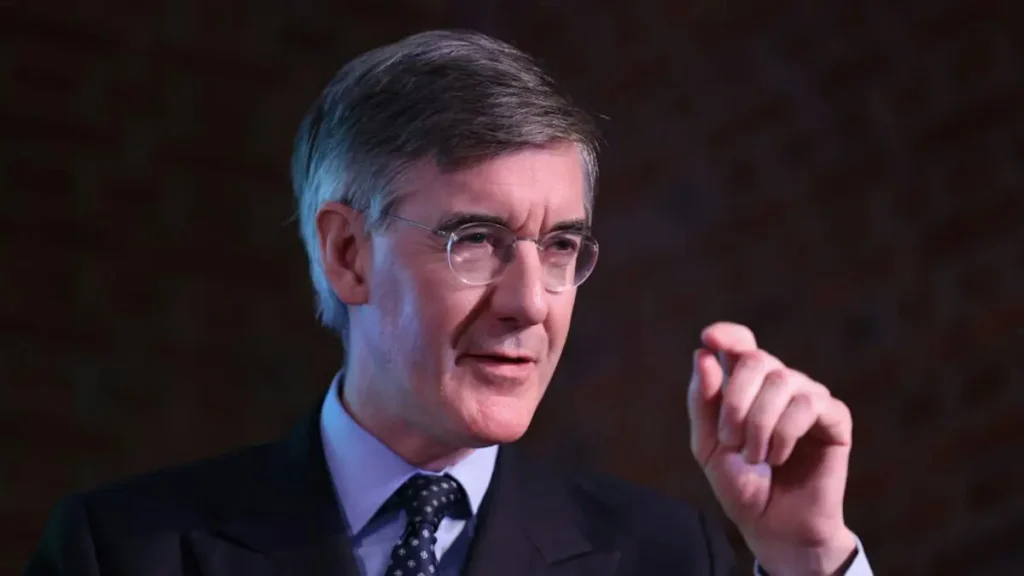
On October 2, Tucker Carlson’s interview with Sir Jacob Rees-Mogg sparked widespread discussion over the differing approaches to conservatism in the modern right. Sir Jacob, a former British cabinet minister, is often seen as a symbol of traditional, classical conservatism. His manner is refined, his speech measured, and his views rooted in historical continuity and respect for tradition. In contrast, Carlson’s style is more confrontational, emphasizing a modern, often skeptical view of the past.
A Clash of Conservatism
The interview highlighted the growing divide within right-wing politics, not just between American and British conservatism, but between those who hold the past in high regard and those who are more willing to challenge it. Rees-Mogg described World War II as a classic good-versus-evil struggle, emphasizing the importance of the Allied victory in preserving Western values. Carlson, however, questioned the significance of the war, suggesting that the outcome was not as critical as some might believe.
Carlson’s comments, which included the suggestion that the U.K. might have been better off with more German speakers, drew sharp criticism for their lack of historical awareness and seeming indifference to the consequences of Nazi domination. His approach, critics argue, is rooted in a form of conservatism that prioritizes self-interest over tradition, often at the expense of long-standing values that have shaped societies for centuries.
The Evolution of a Right-Wing Figure
Carlson’s political journey has been marked by a series of ideological shifts. From a neoconservative supporter of the Iraq War to a Tea Party Libertarian and a MAGA Trump backer, his evolution reflects a broader trend in modern conservatism. This new form of right-wing thought, critics argue, is less concerned with preserving the past and more focused on challenging established norms for the sake of innovation or controversy.
This shift has led to a broader debate about the direction of American conservatism. While some see Carlson’s approach as a necessary evolution, others argue that it risks abandoning the foundational principles that have historically guided conservative thought. The contrast between Carlson’s modernism and Rees-Mogg’s traditionalism underscores a fundamental question: what does it mean to be conservative in an era of rapid change?
Choosing a Path Forward
As the U.S. approaches its midterms, the question of which conservative path to follow becomes more urgent. The contrast between Carlson’s approach and the classical, Burkean conservatism of figures like Rees-Mogg highlights the need for a thoughtful reevaluation of what conservatism stands for. For American conservatives, the choice is clear: embrace a tradition that values continuity and wisdom, or risk drifting further into a form of politics that prioritizes controversy over substance.
Source: Daily Wire