Houthi Attacks, Iran’s Missile Revival, and Ancient Jerusalem Aqueduct Uncovered
Houthi attacks on Saudi airports, Iran’s missile factory restoration, and archaeological finds in Jerusalem highlight regional tensions and historical connections.
1 min read
In recent developments, the Houthis, Iran’s proxy group, have intensified attacks on Saudi Arabia, targeting key airports in Riyadh and Dammam. The attacks have resulted in at least 12 casualties, including one American, with over 50 injured. The U.S. is currently evaluating its involvement in supporting Saudi efforts, while Pakistan and Turkey remain in formal agreements with Saudi Arabia under the Mecca Accords.
Iran’s Missile Production Revival
Despite sustained bombardment by the U.S. and Israel, Iran has managed to restore its missile and drone factories, according to reports from Ynet and Bloomberg. This restoration allows Iran to replenish its weapons stockpile, with sources indicating that the country still retains the capability to produce ballistic missiles and anti-ship weapons. Trump has refrained from further strikes ahead of the midterm elections, raising concerns about Iran’s military preparedness.
Israeli Military Investigation
Israeli military radar systems detected an unidentified object near the Israel-Lebanon border on Saturday night. The IDF launched ground and aerial searches in the Western Galilee, but as of Sunday morning, the nature of the object remained undetermined. Israeli officials have not yet confirmed the details of the incident.
PA Election Postponement
Palestinian Authority President Mahmoud Abbas has again postponed the Palestinian Legislative Council elections, originally scheduled for November 28, to September 11, 2027. This marks the fourth time he has delayed the elections, extending his four-year term to 21 years. Critics argue this undermines democratic processes and highlights ongoing political stagnation.
Archaeological Discovery in Jerusalem
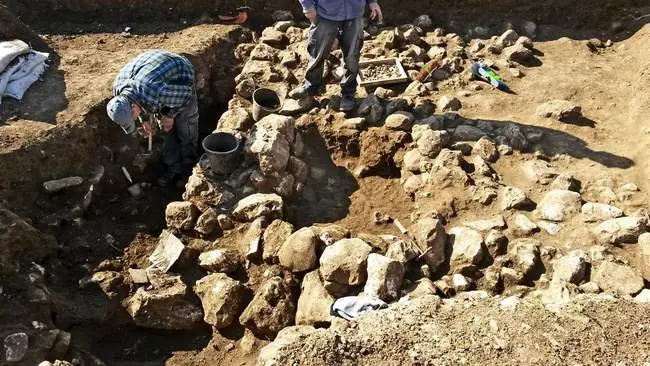
Meanwhile, the Israel Antiquities Authority (IAA) announced the discovery of a 300-meter section of Jerusalem’s ancient Lower Aqueduct. Built during the Hasmonean period, the aqueduct transported water from Solomon’s Pools to the Temple Mount, relying on gravity to span approximately 21 kilometers. This find reinforces historical ties between Judaism and the land, offering insights into ancient water systems.
Source: PJ Media