Houthis Attack Saudi Airport, Exposing Sunni-Shiite Divide
Houthis strike Riyadh airport, revealing deep sectarian divides within the Muslim world.
2 min read
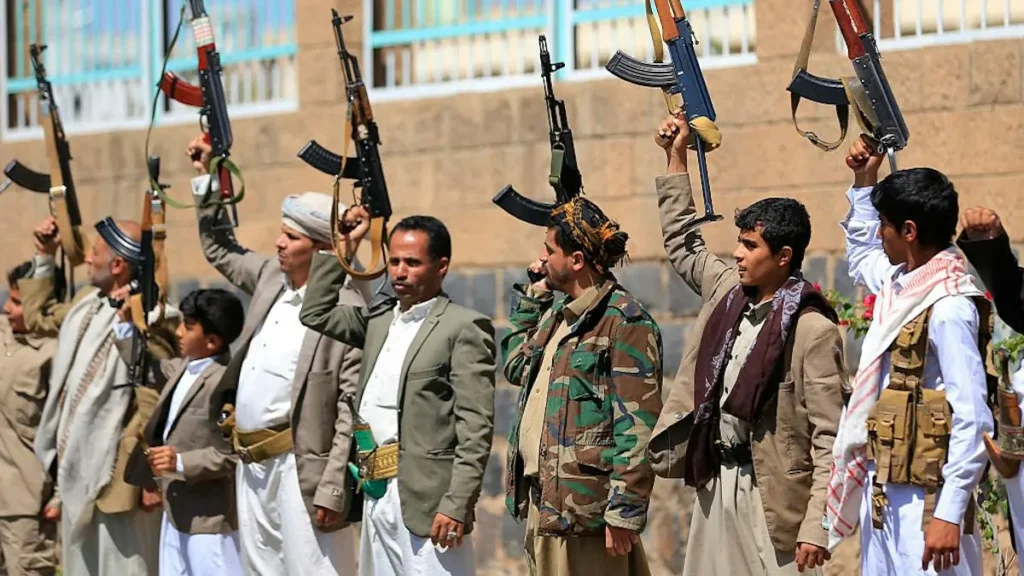
Missiles struck King Khalid International Airport in Riyadh this weekend, marking a dramatic escalation in the ongoing conflict between Saudi Arabia and Iran-backed Houthis. The attack, which resulted in over 300 injuries, has drawn condemnation from U.S. officials, including President Trump and Secretary of State Marco Rubio. However, the incident also highlights a deeper, unresolved issue within the Muslim world: the persistent divide between Sunni and Shiite Muslims.
Theological Divide and Sectarian Conflict
Despite shared religious beliefs, Sunnis and Shiites continue to clash, challenging the notion of a unified ummah. The Quran refers to Muslims as the ‘best ummah,’ yet the reality on the ground shows a fractured community. The Sunni-Shiite split, dating back to the seventh century, stems from a dispute over leadership after the Prophet Muhammad’s death. Sunnis supported the election of qualified leaders, while Shiites believed leadership should remain within Muhammad’s bloodline.
This theological rift has led to centuries of conflict, including civil wars and the martyrdom of key figures like Ali and his grandson, Husayn, at Karbala. Today, this ancient schism shapes modern geopolitics, with Iran supporting Shiite groups like the Houthis and Saudi Arabia, along with other Gulf states, viewing Iran as a sectarian threat.
Religious Hostility and Political Rivalry
Despite occasional gestures of reconciliation, Sunnis and Shiites continue to label each other as heretics or apostates. Religious leaders on both sides condemn the other’s beliefs, with some even calling for eternal damnation. This hostility is not merely political but deeply rooted in religious doctrine, making true unity elusive.
The claim that Islam is the fastest-growing religion is complicated by the fact that the two major sects within the religion often view each other as illegitimate. This division undermines the narrative of a unified, growing faith, revealing the reality of a fragmented religious landscape.
The Reality of a Fractured Ummah
Strip away the rhetoric, and the Muslim world reveals itself as a collection of rival powers driven by political interests and sectarian identities. Gulf monarchies, Turkey, Iran, and the Emirates all compete for regional influence, while militias and armies continue to fight under the banner of Islam. The so-called ‘best ummah’ is, in reality, a collection of competing factions.
As missiles fall on Riyadh, the question is not only how the West should respond but whether it should continue to promote an ideal that Muslims themselves have long rejected. The ‘best ummah’ remains a rhetorical construct, while the reality is a world marked by division and conflict.
Source: Daily Wire