Wisconsin Wolves Killed Amid Human Safety Concerns
Wisconsin officials euthanized nine wolves after multiple conflicts with residents, sparking debate over safety and tribal consultation.
2 min read
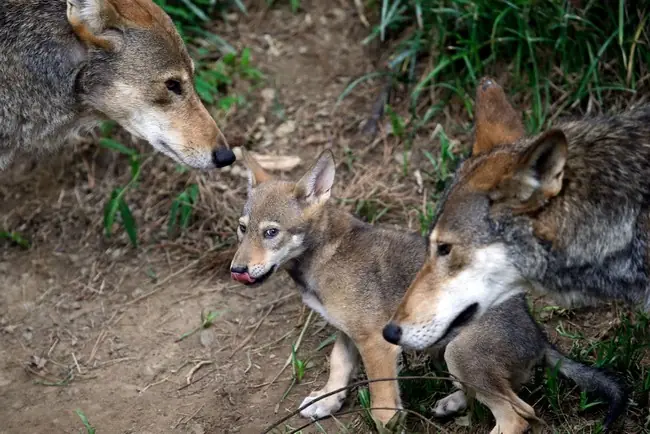
Wisconsin officials have euthanized nine wolves after a series of human-safety conflicts in Flambeau, raising questions about wildlife management and public safety. The decision followed six verified incidents where wolves approached people, with one wolf coming within 20 yards of a man working on his tractor and another appearing within 6 to 8 feet of a house.
Non-Lethal Measures Failed
Despite efforts to deter the wolves through non-lethal methods like hazing, increased lighting, and removing attractants, the animals continued to approach humans. The Wisconsin Department of Natural Resources (DNR) cited the wolves’ increasing comfort near people as a key factor in the decision to take lethal action.
Federal Protections and Consultation Concerns
Although gray wolves are federally protected, limited exceptions allow for lethal removal in cases of human safety threats. The DNR consulted with federal wildlife officials and concluded that relocation was not feasible due to limited suitable habitat and the size of the pack. However, the Great Lakes Indian Fish and Wildlife Commission (GLIFWC) raised concerns about the lack of consultation with tribal nations, who hold cultural significance over the wolves.
Tribal Criticism and Calls for Transparency
Conrad St. John, chair of the St. Croix Chippewa Indians of Wisconsin, criticized the decision, stating that the tribe was not consulted until after the euthanizations had occurred. He emphasized the importance of tribal involvement in managing natural resources in ceded territories. DNR Secretary Karen Hyun apologized for the inadequate communication and pledged to improve collaboration with tribal nations, but no specific policy changes were outlined.
Public Safety vs. Wildlife Conservation
While officials emphasized the need to protect human safety, critics argue that the decision lacked transparency and thorough evidence. The DNR stated that no injuries occurred, and the available reports described proximity rather than aggression. Nevertheless, the agency maintains that the pattern of behavior warranted lethal intervention.
Community and Wildlife Management
Residents in the area have expressed concerns about the safety of their homes and yards, highlighting the need for a balance between wildlife conservation and public safety. The incident underscores the complexity of managing wildlife in a region where human and animal interactions are increasingly frequent.
Source: PJ Media