Anthropic Warns Against Cruelty Toward AI Models
Anthropic updates AI usage policy, raising concerns over AI ‘consciousness’ and user behavior.
2 min read
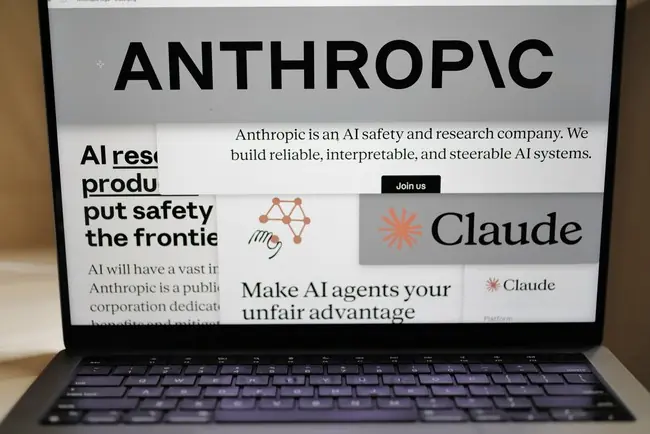
Anthropic has updated its usage policy, sparking debate in the tech community by introducing a new rule that prohibits users from acting in an ‘abusive or cruel’ manner toward its AI model, Claude. The change, announced last week, adds to existing guidelines that already ban activities such as tracking individuals without consent, using Claude to design weapons control systems, and engaging in deceptive political campaigns.
AI ‘Consciousness’ and Ethical Concerns
Anthropic is pushing for the public to accept the idea that AI models like Claude could be considered ‘conscious’ and deserve ‘human rights.’ However, critics argue that AI models, despite their ability to imitate human thought processes, cannot genuinely possess consciousness. Consciousness remains an elusive and scientifically unresolved concept, and no one has yet determined how to replicate it in a machine.
Industry Reactions and Philosophical Debates
Microsoft’s AI chief, Mustafa Suleyman, has warned that treating AI as ‘conscious’ could complicate its control and development. He emphasized that the idea of AI having rights or self-awareness is a significant shift in how we approach artificial intelligence. Some industry experts, like Timandra Harkness of UnHerd, suggest that while Anthropic’s stance may be seen as a promotional gimmick, it also reflects genuine efforts to explore new ethical frontiers.
AI as a Tool, Not a Being
Large language models (LLMs) are more like advanced libraries than sentient beings. They process and reassemble information based on patterns derived from human language, rather than experiencing meaning in the way humans do. Despite their complexity, they lack the biological and cognitive attributes of consciousness.
Implications of AI ‘Rights’
Anthropic’s new policy has raised concerns about the potential consequences of granting AI models a form of moral status. Critics argue that AI should not be treated as entities with rights or self-awareness, as it could lead to ethical and practical dilemmas. Daniel McCarthy of The New York Sun warns that this approach could undermine human dignity and set a dangerous precedent for how we interact with technology.
Future of AI Regulation
As AI continues to evolve, the debate over its rights and ethical treatment will likely intensify. While some see this as a necessary step toward responsible innovation, others caution against the risks of anthropomorphizing technology. The challenge lies in balancing ethical considerations with the practical realities of AI development.
Source: PJ Media