Inflation Surges Ahead of Midterm Elections
September inflation rises to 3.7%, fueled by gas prices, complicating GOP prospects in November.
2 min read
Inflation accelerated in September, with consumer prices rising 3.7% year-over-year, as surging gasoline prices intensified financial pressure on households. The Bureau of Labor Statistics (BLS) reported the increase on Wednesday, just weeks before the midterm elections, adding to concerns about the economy among voters.
Gas Prices Drive Inflation Surge
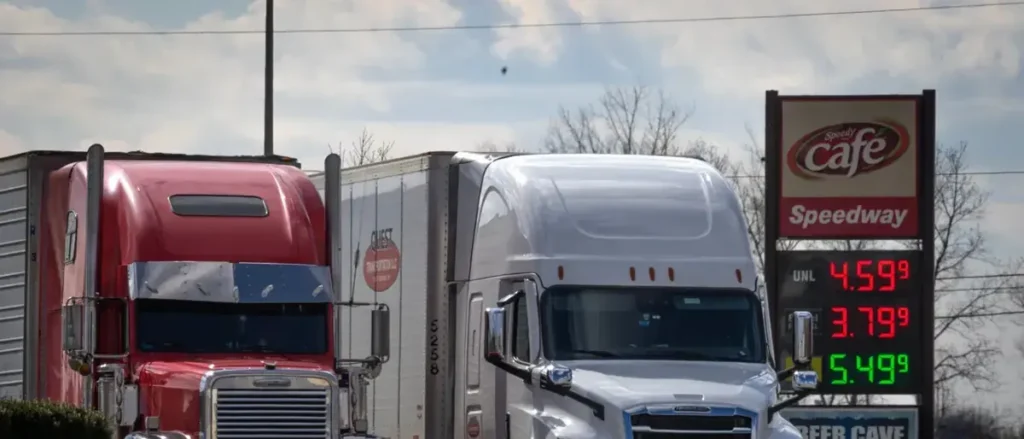
Gasoline prices jumped 9.1% in September, contributing over half of the monthly inflation increase. Prices are now 34.2% higher than a year ago, with fuel oil prices surging 74.2% over the same period. This spike has raised concerns about the broader economic impact, particularly for families already struggling with rising living costs.
Consumer Prices and Core Inflation Trends
Consumer prices rose 0.6% in September, exceeding economists’ expectations and raising the likelihood of another Federal Reserve rate hike. Core inflation, which excludes volatile food and energy prices, increased 0.3% in September, reaching 2.6% year-over-year, up from 2.4% in August.
Energy and Housing Costs on the Rise
The broader energy index climbed 5.2% in September, up 20.4% from a year earlier, reflecting ongoing disruptions to global energy supplies. Housing costs also rose, with the shelter index increasing 0.4% in September and 3.2% over the past year. Used cars and trucks saw a 0.7% increase, while airline fares and recreation costs rose by 1.2% and 0.5%, respectively.
Public Sentiment and Political Impact
A recent Reuters/Ipsos poll found that 47% of registered voters considered the cost of living the most important factor in their congressional vote, while 71% disapproved of President Donald Trump’s handling of inflation. A Gallup poll revealed a 14-point Democratic advantage in trust for economic prosperity, the largest since 2007.
Central Bank and Market Reactions
The Federal Reserve raised its benchmark interest rate by a quarter point in September, bringing the target range to 3.75% to 4%. Following the inflation report, traders increased the probability of another rate hike in October to nearly 45%, up from 22% before the data release.
Employment and Economic Outlook
The September employment report showed only 29,000 jobs added, with the unemployment rate at 4.2%, highlighting persistent inflation alongside signs of a slowing labor market. Financial markets reacted sharply, with Treasury yields rising and stock futures falling as investors reassessed the likelihood of further Fed tightening.
Source: Daily Caller