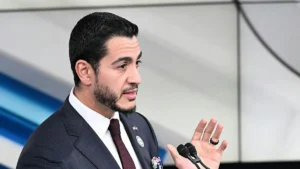
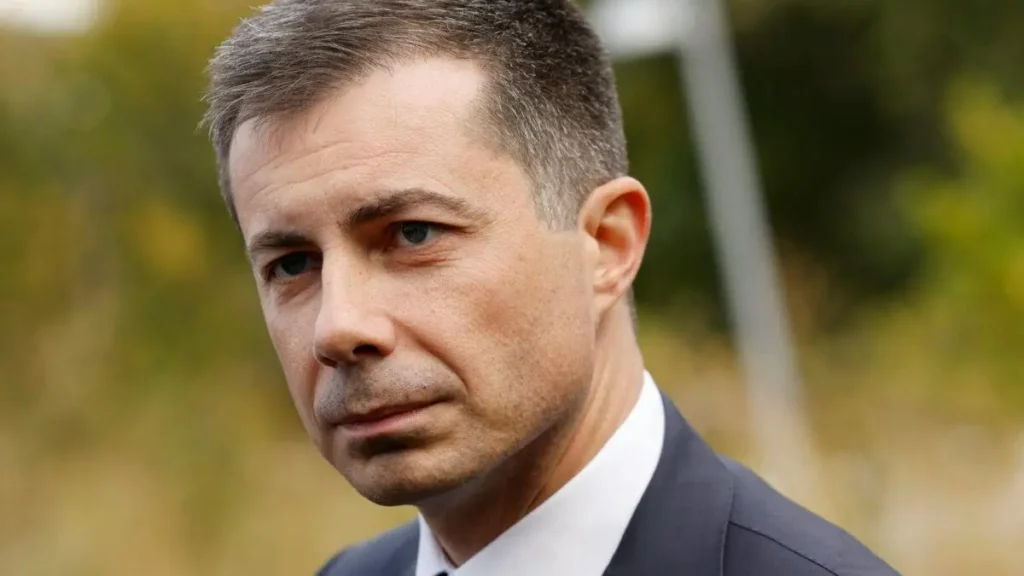
Buttigieg Differently Views Iran vs. Israel Threats Than El-Sayed
Pete Buttigieg and Abdul El-Sayed clash on Iran and Israel’s threat level to the U.S. in Michigan Senate race.
2 min read
Former Transportation Secretary Pete Buttigieg has offered a starkly different view on the threat posed by Iran and Israel compared to fellow Michigan Democrat Abdul El-Sayed. During an appearance on Fox News’ “The Story” with Martha MacCallum, Buttigieg asserted that “Iran is our enemy; Israel is not,” while El-Sayed previously dismissed the question as a “ridiculous hypothetical.”
Clash Over Foreign Policy Stances
El-Sayed, who won his party’s August primary for Michigan’s open Senate seat, argued during a debate with Republican Senate nominee Mike Rogers that both countries had “proven dangerous in their own way.” He described Iran as a threat due to its potential for attack and Israel as a risk due to its involvement in wars the U.S. has no business fighting.
Buttigieg, who moved from Indiana to Michigan in 2022, made it clear during the interview that he believed Israel to be an ally, not an enemy. Despite the ideological differences, Buttigieg has not abandoned his support for El-Sayed, stating he would vote for the Democrat in the Senate race.
Focus on Economy and Health Care
Buttigieg shifted focus to the economy, criticizing President Donald Trump and congressional Republicans for driving up costs through tariffs and the war with Iran. He emphasized that Michigan voters are more concerned with affordability and health care than internal Democratic Party disputes.
El-Sayed’s comments have drawn scrutiny since the October 8 debate, where he also criticized U.S. support for Israel and declined to say whether he would support providing defensive weapons to the country if it were attacked by Iran. In contrast, Rogers has supported providing defensive weapons to Israel and reiterated his support for the Jewish state.
Democratic Party Reassessment
Buttigieg’s own position on Israel has shifted recently as the Gaza war has become a growing fault line within the Democratic Party. In 2019, he described the U.S.-Israel relationship as a friendship in which Washington should seek to guide its ally toward better decisions. Last year, however, he supported Sen. Bernie Sanders’ proposed restrictions on arms sales to Israel and argued for case-by-case evaluations of military assistance.
His recent remarks on the Gaza war, calling for an end to the killing and the return of Israeli hostages, reflect a broader Democratic reassessment of the U.S.-Israel relationship, with left-wing lawmakers pushing for restrictions on weapons transfers and the recognition of a “Palestinian state.”
Source: Daily Wire