Supreme Court Allows New Hampshire to Ban Student IDs at Polls
Supreme Court rules New Hampshire can ban student IDs as voter ID, with Justice Jackson dissenting.
2 min read
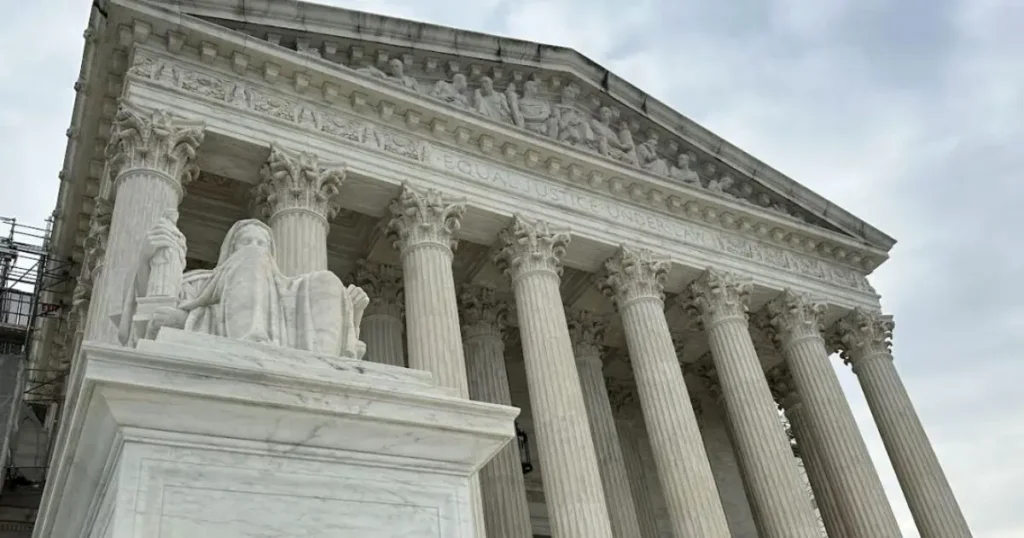
The U.S. Supreme Court ruled on Thursday that New Hampshire can prohibit voters from using student IDs as a form of identification at polling places during the midterm elections. The 7-1 decision upheld the state’s authority to stop the use of student IDs, a policy supported by the Republican National Committee (RNC).
Lower Court Ruled Against Student ID Use
A lower court had previously allowed the use of student IDs as a form of voter identification, arguing that officials had overstepped their authority by imposing stricter rules than the state law permitted. The judge had also suggested that student IDs should still be considered alongside other forms of identification when voters lacked other options.
Supreme Court Chastises Lower Court for Interfering
The Supreme Court criticized the lower court for intervening too close to the November elections, emphasizing that such orders can lead to voter confusion. The majority opinion referenced the Purcell principle, which cautions against court interventions that could disrupt the electoral process. The court pointed to recent legal challenges in Missouri’s redistricting case as an example of such disruption.
Justice Jackson Dissents
Liberal Justice Ketanji Brown Jackson dissented, arguing that the court should not disturb a clearly justifiable federal-court order aimed at ensuring accurate information about a state’s electoral process. She stated that even in the face of an impending election, the court should respect the lower court’s ruling.
Broader Implications for Voter Access
The ruling has broader implications for voter access and the use of student IDs as a form of identification. While the decision supports states’ authority to set voter ID rules, it also highlights the ongoing debate over how to balance election security with voter participation. The case underscores the role of the judiciary in shaping election policies and the potential impact of such decisions on voter confidence and turnout.
Source: The Gateway Pundit