Enes Freedom’s WNBA Eligibility: A Biological and Legal Debate
Enes Freedom’s bid to play in the WNBA sparks a debate on biological sex, legal definitions, and sports eligibility.
4 min read
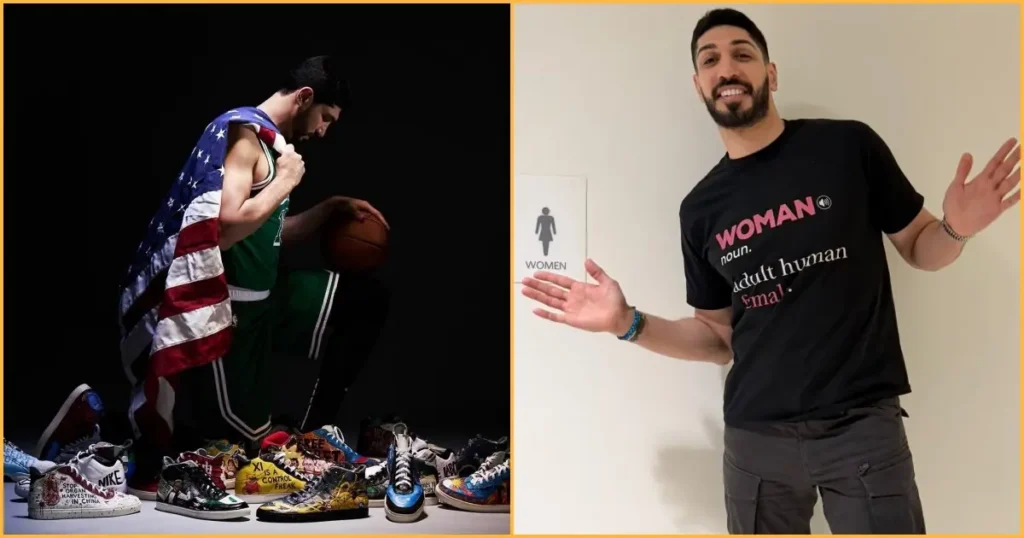
Enes Freedom, a male athlete, has sparked a significant debate over his potential eligibility to play in the WNBA. The controversy centers on the definition of ‘woman’ and whether biological sex should determine eligibility for the league. Freedom is not the only individual challenging the WNBA’s current policies; there are now potentially 11 males who may announce for the WNBA draft, including Royce White, Larry Sanders, and several players from the G-League and European leagues. This situation has led to a broader conversation about the intersection of biology, law, and sports.
Medical vs. Legal Perspectives
Dr. Simone Gold, a physician and advocate, has been a prominent voice in this debate. She emphasizes that from a medical standpoint, human sex is determined at fertilization and is encoded in the chromosomes of the developing human. XX chromosomes direct female development, while XY chromosomes direct male development. These chromosomes remain unchanged throughout a person’s life, regardless of their identity, beliefs, or medical interventions.
Freedom, like any other male, remains male regardless of hormone therapy, surgery, or personal identification as a woman. Medical science does not recognize a change in sex based on these factors. The biological reality of sex is immutable, and it cannot be altered by legal definitions or societal norms.
The Legal Framework and WNBA Eligibility
The WNBA, as a private institution, has the authority to define its own eligibility criteria. However, this definition must be clear and consistent. The league is not bound by biological definitions of sex, but it must establish its own criteria for determining who qualifies as a ‘woman’ for the purposes of participation.
Freedom is not necessarily demanding that the WNBA adopt a biological definition of ‘woman’; instead, he is urging the league to disclose its own definition. This transparency is crucial because the eligibility of WNBA players has real economic implications. Salaries range from approximately $270,000 at the minimum to as much as $1.4 million at the maximum. A roster spot is not merely symbolic; it represents significant financial value and opportunities for athletes.
Biology vs. Legal Definitions
Dr. Gold argues that biology does not yield to legal definitions. While a legislature or institution can redefine terms for specific purposes, such as defining ‘tall’ for a statute, this does not alter the biological reality of a person’s height. Similarly, the WNBA can redefine ‘woman’ for its eligibility criteria, but this does not change the biological sex of an individual.
The distinction is critical. If the WNBA defines ‘woman’ in a way that includes some males, it must clarify what that definition entails. Without such clarity, the league risks legal and ethical ambiguity. The same framework that questions whether someone is a woman in a biological sense must also address whether they meet the league’s non-biological criteria.
Physical Advantages and Sports Equity
Dr. Gold highlights the physical advantages that male development confers in sports. Strength, speed, power, and size are characteristics that make male competition inaccessible to female athletes. These advantages are not just theoretical; they are evident in the performance of male athletes across various sports. The WNBA, like other women’s sports leagues, is built on the premise of biological sex as a foundational category.
Female athletes are not demanding entry into male leagues such as the NBA or men’s tennis tours. The controversy arises at the boundary of women’s sports because crossing that boundary can confer an athletic advantage. This is not a question of identity, but of physical capability and fairness in competition.
Relevance of Biological Reality in Sports
Women’s sports are a human-created category that is grounded in a biological reality. While the category can be redefined, the biology remains unchanged. The WNBA’s eligibility criteria must acknowledge this distinction. Changing the name or definition of a category does not alter the underlying biology.
Dr. Gold stresses that the legal framework can be redefined, but biology remains constant. The league can name or rename categories, but it cannot change the biological reality that underpins the sport. This is a critical point in the debate over Freedom’s eligibility. The WNBA must address the question of what constitutes a ‘woman’ for its purposes, without conflating it with biological sex.
Conclusion and Implications
The debate over Enes Freedom’s eligibility to play in the WNBA is not just about one individual; it is a broader discussion about the intersection of biology, law, and sports. The WNBA must clarify its definition of ‘woman’ to ensure fairness and transparency. The league’s eligibility criteria have real-world implications, affecting the careers and livelihoods of athletes.
As the debate continues, the WNBA faces a critical choice: either redefine its criteria in a way that aligns with its goals or maintain the current standards that reflect biological reality. The outcome of this debate will have lasting implications for the future of women’s sports and the broader conversation about identity and eligibility in athletics.
Source: The Gateway Pundit