DHS Audit Reveals 40% Error Rate in Afghan Asylum Files
DHS watchdog finds 40% error rate in Afghan asylum files, raising security concerns.
2 min read
A U.S. Department of Homeland Security watchdog has found a 40% error rate in a review of asylum files for Afghan evacuees resettled in the United States following the Biden administration’s withdrawal from Afghanistan, raising concerns that immigration officials may have missed opportunities to identify potentially derogatory information.
Review and Findings
The DHS Office of Inspector General (OIG) reviewed a statistically random sample of 678 asylum applications out of 13,682 applications adjudicated for Afghans who entered the country through Operation Allies Welcome (OAW). Investigators found errors in 269 of the 678 files examined.
The errors included 303 missed aliases across 169 files, 23 missing security checks, 45 unresolved records, and 115 other documentation issues. The report emphasized that most of the problems involved missed aliases or incomplete documentation. In some cases, investigators found that an asylum officer failed to recognize a spelling variation of an applicant’s name, potentially preventing that name from being matched against information in subsequent security checks.
Potential Security Concerns
The watchdog also identified two cases involving potential terrorism-related inadmissibility concerns. In one case, paperwork concerning a potentially inadmissible applicant was not included in the file, preventing a required second-level authority from approving the analysis. In another, the necessary paperwork was included and signed by higher-level officials, but a box indicating whether the analysis was approved or rejected was left blank.
The inspector general’s office cautioned that it did not determine whether any of the errors actually affected an applicant’s eligibility for asylum or resulted in a security threat. The consequences of individual errors can range from being essentially administrative to potentially affecting national security, depending on the circumstances and whether other safeguards catch the problem.
Broader Context and Response
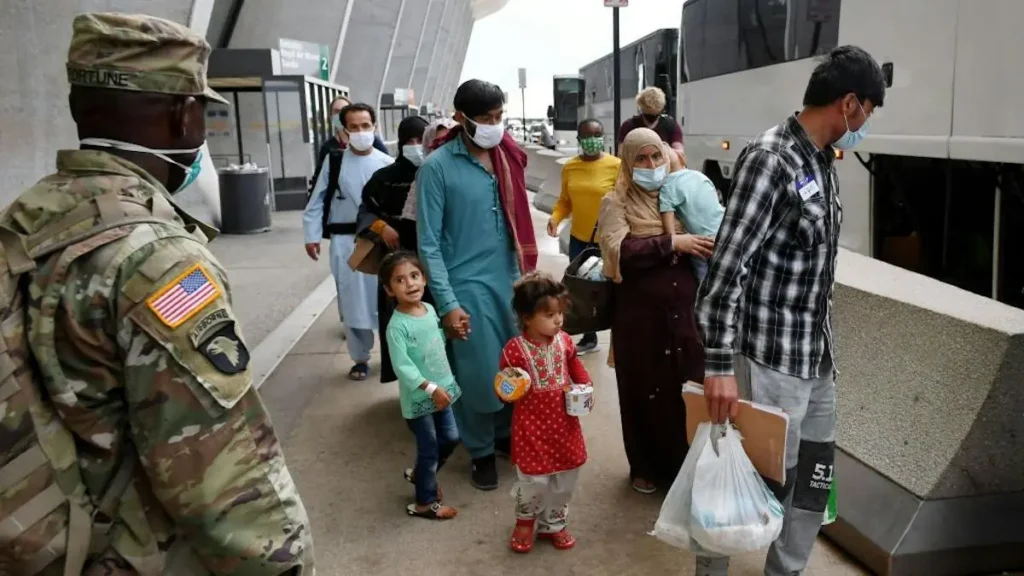
The findings come amid longstanding scrutiny of Operation Allies Welcome, the Biden administration program created to resettle Afghans evacuated during the chaotic 2021 withdrawal from Afghanistan. The review was also prompted in part by concerns surrounding a September 2023 settlement in Ahmed v. DHS, which required USCIS to adjudicate 90% of OAW asylum applications filed after February 2, 2024, within 150 days. Investigators, however, found no statistically significant increase in the error rate after the settlement took effect.
USCIS agreed with all of the inspector general’s recommendations. Joseph Edlow, the agency’s director, nevertheless argued that the report should be viewed in the context of the broader screening and security systems used by the agency. Edlow said the administrative errors occurred alongside “broader, established, and robust screening, vetting and security checks safeguards already in place that minimize the impact of these errors.”
Source: Daily Wire