Iran’s Reformists: Masters of Political Theater
Reformists in Iran use political theater to position themselves as moderates, navigating the Islamic regime’s internal power struggles.
2 min read
Iran’s reformists have long been a subject of international intrigue, often portrayed as moderates seeking to ease tensions with the West. However, a closer look reveals a more complex reality. The recent attacks by Fars News, an outlet linked to the Islamic Revolutionary Guard Corps (IRGC), highlight the strategic role reformists play within the Islamic regime.
Hero Manufacturing in Tehran
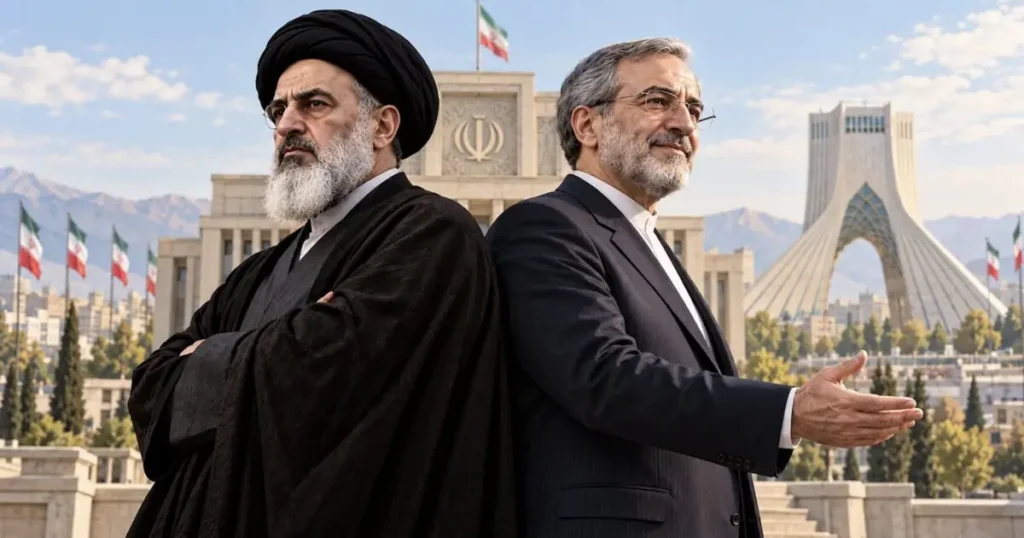
Fars News has accused reformists of collaborating with Washington by arguing that sanctions are harming Iran and that negotiations are necessary. Yet, for those familiar with Tehran’s political theater, this is a calculated move. The more the IRGC attacks reformists, the more they are able to present themselves as courageous moderates standing against the regime’s hardliners.
In Persian, this tactic is referred to as “ghahramaan-saazi” or “hero manufacturing.” While not all clashes between reformists and hardliners are staged, the core reality remains: reformism is not an exit from the Khomeinist system but a career path within it. These reformists do not seek to dismantle the regime but rather to redirect its machinery to serve their factional interests.
The West’s Misunderstanding of Iranian Politics
Western analysts often misinterpret the dynamics of Iranian politics, treating hardliners as the political right and reformists as a liberal opposition. In reality, the key distinction lies between those who operate within the Islamic regime and those who question its legitimacy. Reformists, in particular, have become valuable internationally because they speak the language of negotiation and moderation, which resonates with Western diplomats.
For instance, Mohammad Javad Zarif, Iran’s former Foreign Minister, was instrumental in the Joint Comprehensive Plan of Action (JCPOA). His effectiveness in Western settings stemmed from his polished demeanor, fluency in English, and familiarity with Western institutions. Yet, Zarif was not negotiating against the Islamic regime but acting on behalf of its government within a framework permitted by Iran’s supreme leadership.
The Illusion of Moderation
Despite their Western-friendly image, reformists remain senior officials of the Islamic Republic. The narrative of “moderates versus hardliners” has shaped Western policy, with reformists seen as potential partners for diplomacy. However, this framework often overlooks the fact that these so-called moderates are still part of the system they are meant to represent.
Understanding the true nature of Iran’s political landscape requires recognizing that reformists are not a genuine opposition but a faction within the Khomeinist regime. Their role is not to replace the system but to navigate and influence it, often through the very mechanisms of political theater.
Source: The Gateway Pundit