Stop Buying Protein Powder: Opt for Real Foods Instead
Protein powder hype may not deliver on health promises. Discover better whole foods for real nutrition.
2 min read
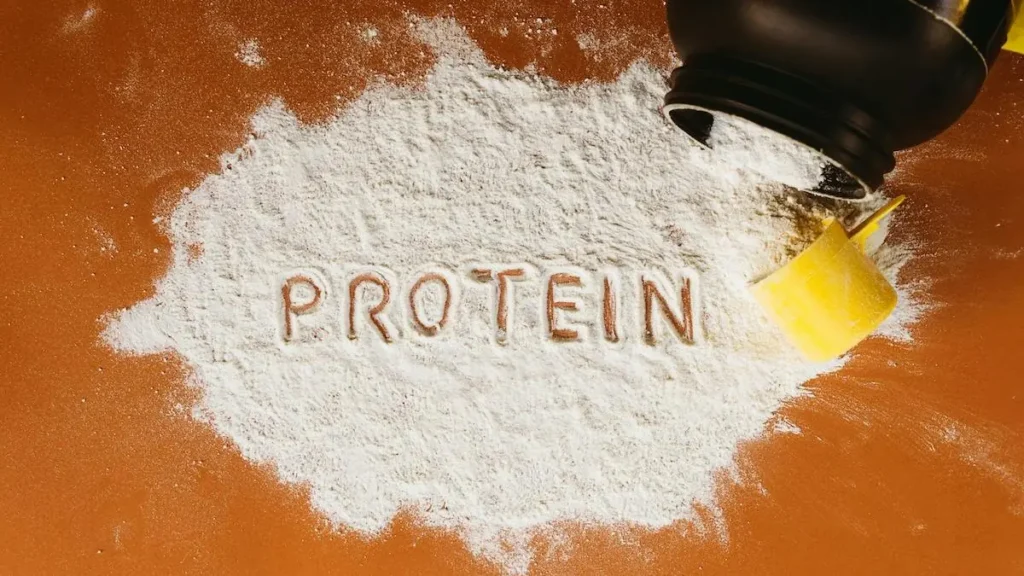
Protein powder has dominated grocery store shelves, with bags and tubs touting macros and flavors. However, the marketing often overlooks the quality and health implications of these products. While new dietary guidelines emphasize protein, many branded products fail to highlight the importance of high-quality sources.
The Hype Behind the Powder
Products like Lucky Charms protein powder, despite boasting 25 grams of protein per serving, are not health foods due to their high content of artificial sweeteners and ultra-processed ingredients. Food scientists have also developed new ways to manipulate macros, such as modified plant-based fats used in David’s protein bars, which were the subject of a class-action lawsuit over alleged misrepresentation.
Quality and Source Matter
The type of protein used in these products is another concern. Whey protein, a dairy-based option, raises questions about organic sourcing, antibiotics, and grass-fed status. Pea protein, while common, is often not organic, despite many health-conscious shoppers seeking organic options. These quality concerns are frequently omitted from the grams-per-serving marketing.
Processed Foods vs. Whole Foods
Many ordinary products have jumped on the protein trend, but their marketing often doesn’t reflect the full picture. For example, Protein Honey Nut Cheerios offer 8 grams of protein but also 12 grams of added sugar. In contrast, plain oatmeal provides 10 grams of protein with no added sugar. Whole foods like beans, nuts, meat, and eggs are far more in line with dietary guidelines and offer a balanced approach to protein intake.
Smart Choices for Health
While protein powder can be useful for those with specific dietary needs, it’s not the only solution. Better-for-you options like Truvani, Just Ingredients, and Sava offer high-quality, plant-based and grass-fed protein powders. However, focusing on whole foods that naturally contain protein is more aligned with health recommendations. The new dietary guidelines suggest 3–4 servings of protein per day, which is easily achievable without relying on processed products.
Looking Ahead
The protein hype is likely to be remembered as a short-sighted trend, similar to past anti-fat or anti-carb crazes. While protein is important, it’s not the sole key to health. A balanced diet rich in whole foods provides essential nutrients and healthy fats. Prioritizing real foods over processed options leads to more sustainable and healthier eating habits.
Source: Daily Wire