Why Americans Reach for the Flag When It Starts to Fall
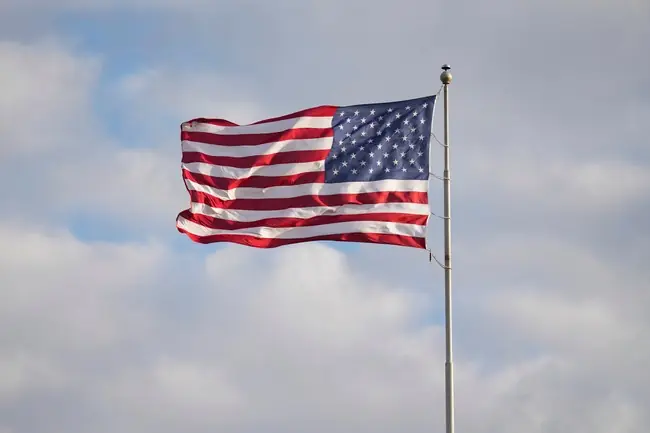
Americans instinctively protect the flag from touching the ground, rooted in tradition and respect.
2 min read
When an American flag begins to slip toward the ground during a ceremony, a familiar scene unfolds: a veteran, scout, or ballplayer instinctively reaches out to save it from the earth. This reflex, often acted upon before anyone fully realizes why, is more than just a habit—it’s a reflection of a deep-seated tradition rooted in history, law, and national pride.
The Flag Code and Its Origins
The U.S. Flag Code, established in 1942, clearly states that the flag should never touch the ground, floor, water, or merchandise. This rule, however, didn’t originate with Congress. The custom of treating the flag with reverence developed gradually, especially after the Civil War, when veterans who had fought under its colors began advocating for its protection.
By the early 20th century, states and civic groups had adopted their own rules, leading to the first National Flag Conference in 1923. This event laid the groundwork for the Flag Code, which emphasizes that the flag represents a living country and should be treated with dignity. Despite the U.S. Supreme Court striking down flag-protection laws in 1989, the code remains a guide for etiquette, not law.
Myths and Misconceptions
There is a persistent myth that if the flag accidentally touches the ground, it must be burned. In reality, the rule is meant to prevent damage and dirtiness. A fallen flag can be cleaned and flown again, provided it remains suitable for display. Dignified destruction, such as burning, is reserved for flags that have deteriorated beyond use.
While the code is not enforced by law, its influence is profound. Americans are taught from a young age to treat the flag with respect, often through the actions of family, teachers, or community leaders. This tradition is passed down, ensuring that the flag remains a symbol of national pride and identity.
The Symbolism of Old Glory
The nickname ‘Old Glory’ itself carries a rich history. Sea captain William Driver, who received a large American flag in 1824, named it ‘Old Glory’ and later hid it during the Civil War to avoid Confederate capture. When Union troops reclaimed Nashville in 1862, Driver raised the flag over the state capitol, reinforcing its symbolic importance.
The flag has flown over the coffins of fallen soldiers, been carried into battle, and even planted on the moon. It is a powerful emblem of American history, resilience, and unity. When it starts to fall, the instinct to catch it is not about fear of the ground—it’s about protecting what the flag represents.
These traditions survive because each generation quietly teaches the next about the value of the flag. The act of reaching for it is a testament to the enduring respect and reverence Americans hold for their national symbol.
Source: PJ Media