Hurricane Threatens Gulf Refineries, Fuel Prices Could Rise Again
Hurricane Isaias could disrupt Gulf Coast refineries, raising fuel prices amid low oil reserves and ongoing supply chain issues.
2 min read
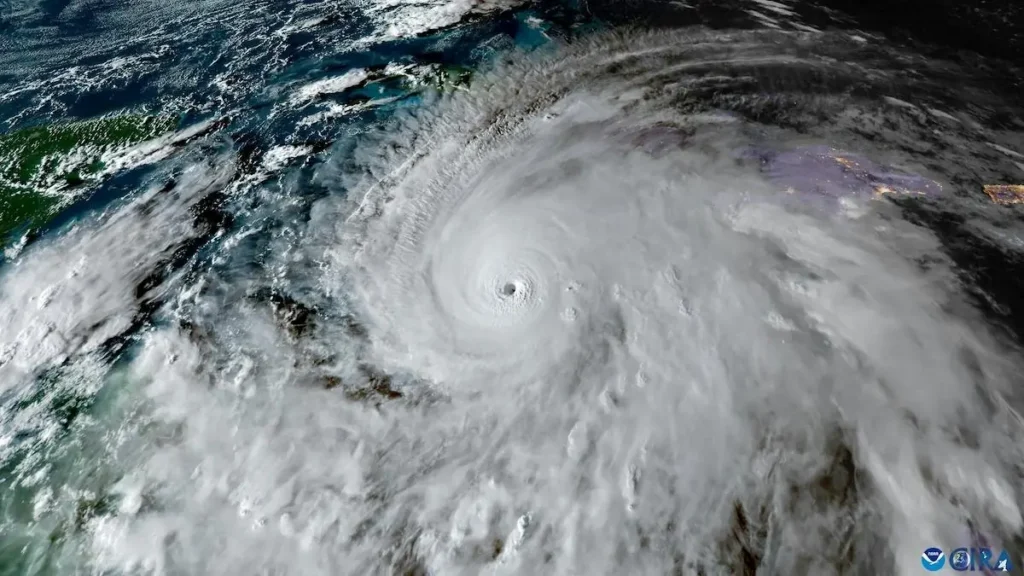
A powerful hurricane barreling toward the southeastern United States could threaten Gulf Coast refineries and push fuel prices even higher. Hurricane Isaias, a Category 3 storm with winds reaching 120 mph, is expected to make landfall east of New Orleans late Friday night. Refineries that process roughly 500,000 barrels of oil a day lie within the storm’s potential damage zone. While the extent of any disruption will depend on the storm’s intensity, offshore oil producers have already suspended operations as a precaution.
Refinery Evacuations and Production Losses
Shell, Chevron, and BP have evacuated personnel, taking about 1.3 million barrels of daily oil production offline. Forecasters expect the storm to make landfall east of New Orleans, potentially sparing major refineries a direct hit, though wind damage and severe flooding remain key risks. Alabama, Mississippi, and the Florida Panhandle will likely bear the brunt of the storm, putting Chevron’s refinery in Pascagoula, Mississippi; Vertex Energy’s refinery in Mobile, Alabama; and Hunt Refining Company’s refinery in Tuscaloosa, Alabama, at risk, according to Bloomberg. Together, those facilities process roughly half a million barrels of oil a day.
Supply Chain Disruptions and Rising Fuel Prices
The storm could also delay oil tankers traveling across the Gulf with oil for refineries, causing further supply chain constraints. U.S. refineries are already running at maximum capacity to offset oil disruptions caused by the war with Iran. The nation’s emergency oil reserve is at a roughly 40-year low, with inventories approaching levels last seen when the reserve was still being built. The U.S. Strategic Petroleum Reserve typically holds between 500 million and 600 million barrels, but now holds about 280 million barrels.
With depleted oil reserves to fall back on, further supply disruptions could push fuel prices higher. As of Friday, the national average price of gasoline was $4.37 per gallon, while diesel averaged $6.28, according to AAA. Last month, diesel hit a record high of $6.40, before climbing further to $6.53.
Global Efforts to Stabilize Prices
While the situation in Iran is improving, fuel prices remain elevated as diesel shipments remain disrupted and countries work to replenish their oil inventories. G-7 countries announced last week that they will release 100 million barrels of oil from emergency reserves over the next four months to help with prices. One analyst estimated the move could reduce diesel prices by 25 cents per gallon.
Source: Daily Wire