Florida’s Stop WOKE Act Faces Supreme Court Challenge Over Classroom Curriculum
Florida’s Stop WOKE Act faces legal battle as Supreme Court considers its impact on public university education.
4 min read
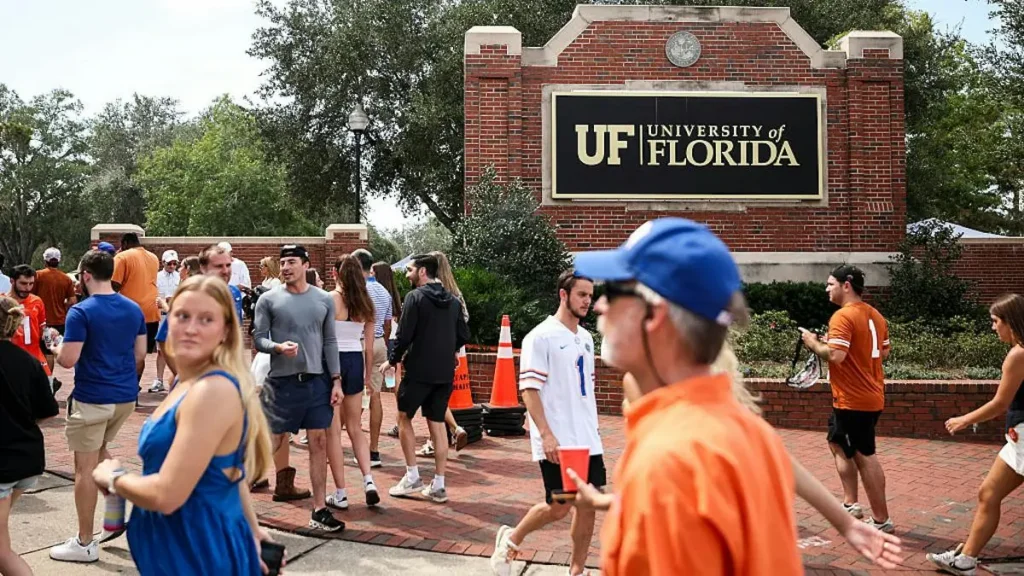
In a landmark legal battle, Florida’s Stop WOKE Act, formally known as the Individual Freedom Act, is set to be reviewed by the U.S. Supreme Court. The Act, which was approved by Florida voters in 2022, aims to prohibit public universities from endorsing specific racist and sexist ideologies in their curricula. This decision has sparked a significant legal challenge, with the U.S. Court of Appeals for the Eleventh Circuit ruling against the Act, citing First Amendment protections for professors.
Background and Legal Context
The Stop WOKE Act was passed in response to concerns that public universities were promoting what many in Florida viewed as harmful and divisive ideologies. The Act does not prohibit the discussion of race, racism, or related concepts; instead, it prohibits the endorsement of certain beliefs, such as the idea that race determines moral worth or that certain groups are inherently oppressed due to their race or sex. The law reflects a broader movement in several states to limit what is taught in public schools and universities, particularly regarding race and gender issues.
In July, the Eleventh Circuit Court of Appeals issued a 2-1 decision blocking the higher-education provisions of the Individual Freedom Act. The court ruled that the First Amendment protects professors’ right to advocate for divisive ideologies in public university classrooms. This decision has been met with strong opposition, as it is seen as undermining the ability of state legislatures to set educational standards and curricula.
Supreme Court Involvement and Legal Arguments
The Supreme Court is now being asked to review the Eleventh Circuit’s decision, which has raised concerns about the interpretation of the First Amendment and the role of state legislatures in public education. The petition for review argues that the Eleventh Circuit’s ruling is a misinterpretation of the government-speech doctrine, which holds that the government can control the messages it conveys through its own channels.
According to the petition, the Eleventh Circuit’s decision is not in line with the Supreme Court’s previous rulings on government speech. The argument is that public universities, as state instrumentalities, have the authority to set curricular standards and that the First Amendment does not protect the speech of public employees made pursuant to their official duties. The petition emphasizes that the government, including public universities, has the right to determine its own message and that this right should not be undermined by judicial interpretation that grants professors unfettered speech rights in taxpayer-funded classrooms.
Legal and Constitutional Implications
The legal battle over the Stop WOKE Act has broader implications for the interpretation of the First Amendment and the balance of power between state legislatures and federal courts. The Eleventh Circuit’s decision has been criticized for departing from established principles of government speech and for creating confusion among lower courts. The petition argues that the court’s ruling is an overreach that undermines the ability of states to regulate their educational systems and protect the public interest.
One of the key points of contention is the distinction between the speech of public employees and the speech of the government itself. The petition argues that professors, as employees of public universities, are not free to speak on their own behalf in a manner that contradicts the government’s message. This is a crucial distinction that has been at the heart of the legal debate, with the Eleventh Circuit’s ruling being seen as a significant departure from the Supreme Court’s established precedent.
Public and Political Reactions
The Stop WOKE Act has been a topic of significant public and political debate. Supporters argue that it is a necessary measure to protect students from what they view as harmful and biased ideologies. Critics, however, argue that the Act is an overreach that infringes on academic freedom and the First Amendment rights of professors. The legal battle over the Act has highlighted the tension between state authority to set educational standards and the constitutional protections for free speech.
The decision by the Eleventh Circuit has been seen as a victory for academic freedom, but it has also raised concerns about the role of federal courts in shaping educational policy. The petition for review before the Supreme Court is seen as a critical step in clarifying the legal landscape and ensuring that state legislatures have the authority to set educational standards in their own jurisdictions.
Conclusion and Future Implications
The Supreme Court’s review of the Eleventh Circuit’s decision on the Stop WOKE Act is expected to have significant implications for the interpretation of the First Amendment and the role of state legislatures in public education. The outcome of this case could set a precedent for how states can regulate curricula in public universities and how the First Amendment applies to the speech of public employees.
As the legal battle continues, the issue of academic freedom and the balance of power between state legislatures and federal courts remains a central point of contention. The outcome of this case will likely have a lasting impact on the educational landscape in the United States, shaping the way public universities approach the teaching of race, gender, and other sensitive topics in their curricula.
Source: Daily Wire