Washington Risks AI Regulation Mistakes Like Ethanol Era
Congress faces similar pitfalls to ethanol policy with AI, risking economic and social harm.
2 min read
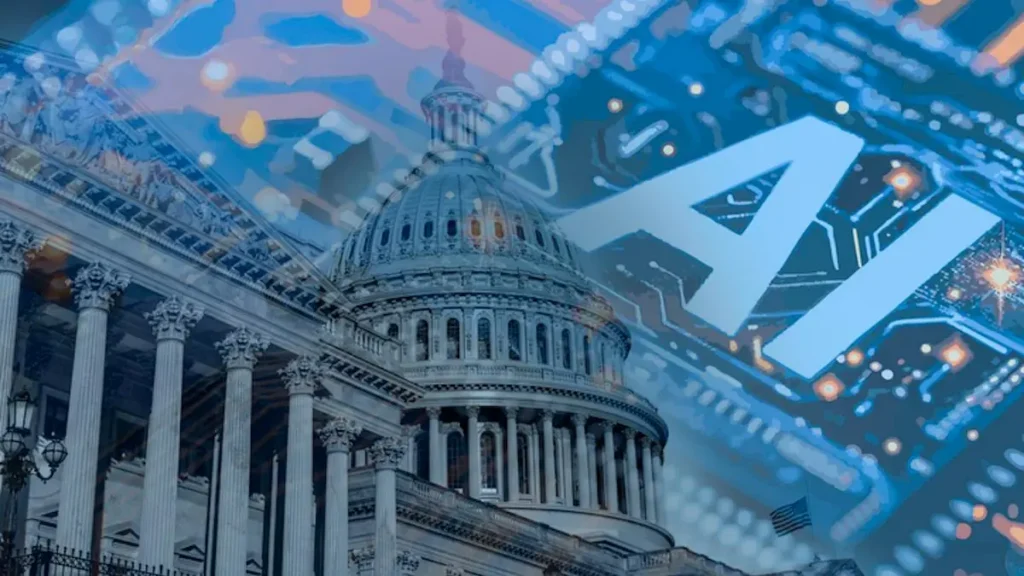
Washington is poised to repeat the costly regulatory errors of the ethanol era with artificial intelligence, according to critics who warn of a dangerous pattern of fear-driven policymaking. As the Midwest enters harvest season, politicians are racing to secure votes in the midterm elections, often at the expense of sound policy.
A Repeat of the Ethanol Mistake
Two decades ago, Congress mandated billions of gallons of ethanol to be blended into fuel, aiming to reduce dependence on foreign oil and lower gas prices. However, the policy had unintended consequences, including soaring food prices and pushing hundreds of millions into poverty. The World Bank estimated that biofuels contributed to a global food price spike, with 100 million people falling into poverty and 75 million more facing hunger in 2007.
The ethanol mandate, despite its initial goals, ultimately failed to deliver on its promises and left lasting negative impacts. Now, lawmakers are rushing into AI regulation without a clear understanding of the issues, echoing the same mistakes of the past.
Fear-Driven Legislation and Regulatory Chaos
Psychologists and journalists have noted that fear has a powerful influence on policymaking, often overshadowing positive developments. In the case of AI, every alarming story about chatbots or data centers outweighs the thousands of quiet, unseen gains in areas like medical diagnosis and productivity. Legislators, swayed by this imbalance, are drafting laws that respond to alarmism rather than addressing real, pressing issues.
Additionally, the rush to regulate AI has led to a patchwork of state laws, with over 100 AI laws passed in the first half of the year alone. This creates a regulatory burden for startups and entrepreneurs, favoring large firms with the resources to comply with multiple jurisdictions. The result is a fragmented legal landscape that hinders innovation and growth.
The Path Forward
Experts argue that Congress should take a more measured approach, focusing on existing laws and allowing the courts to adapt to new technologies. Many AI-related issues, such as fraud or discrimination, can already be addressed under current statutes. The key is to avoid creating a one-size-fits-all regulatory framework that stifles innovation and fails to address real harms.
As Washington prepares to repeat its costly ethanol mistakes on the frontier of artificial intelligence, the risk of unseen, generational loss looms large. To prevent this, lawmakers must prioritize clear objectives, let the courts apply time-tested doctrines, and resist the urge to legislate out of fear.
Source: Daily Wire