Diesel Prices Blamed on Middle East, Not Zelensky, Says Kellogg
Former Trump advisor Keith Kellogg claims rising diesel prices are due to Middle East tensions, not Ukraine conflict.
2 min read
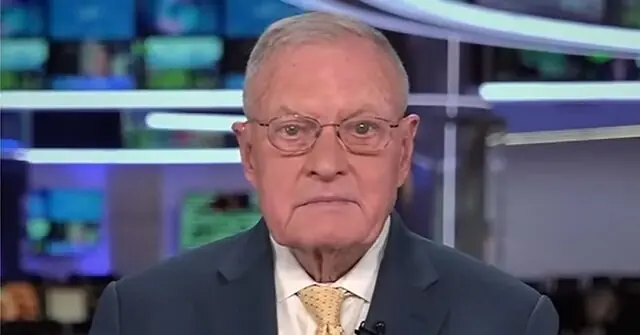
Former Trump National Security Adviser and former Trump Envoy Keith Kellogg recently appeared on the Fox Business Network’s “Kudlow” to address the recent surge in diesel prices. Kellogg emphasized that the primary cause of the increase is not the ongoing conflict in Ukraine, but rather the geopolitical tensions and disruptions in the Middle East.
Focus on Gulf Region and Strait of Hormuz
Kellogg stated, “The real problem with diesel prices is not Zelensky in Ukraine, it’s not with Russia and Ukraine, it’s all what’s happening in the Gulf.” He pointed to the Strait of Hormuz as a critical chokepoint for oil transit, suggesting that any disruption there significantly impacts global fuel prices.
Kellogg further explained, “If you look at the graphs that have come out of Kpler, you can see where the real problem is, with not having good transit through the Strait of Hormuz.” Kpler is a leading provider of maritime data and analysis, and its insights are often referenced in discussions about global energy markets.
Disagreement with Presidential Stance
Kellogg also expressed a respectful disagreement with the current administration’s position on the causes of rising oil prices. He said, “I respectfully disagree with the president on this, look, those oil prices are not because of Zelensky in Russia. What Russia does is really — it’s really cynical.”
Kellogg’s comments highlight a growing debate over the factors influencing global energy markets. While some argue that the Ukraine conflict has had a significant impact on oil prices, others, like Kellogg, point to the Middle East as the primary driver. This divergence in perspectives underscores the complexity of the energy market and the geopolitical tensions that influence it.
As the situation continues to evolve, analysts and policymakers are closely monitoring developments in both the Middle East and Ukraine to assess their long-term impact on global energy prices and supply chains. The role of key maritime routes like the Strait of Hormuz remains a focal point for discussions on energy security and market stability.
Source: Breitbart