UK Considers Internet Tax to Fund BBC Amid Funding Crisis
UK government explores internet tax to support BBC as funding shortfalls grow.
2 min read
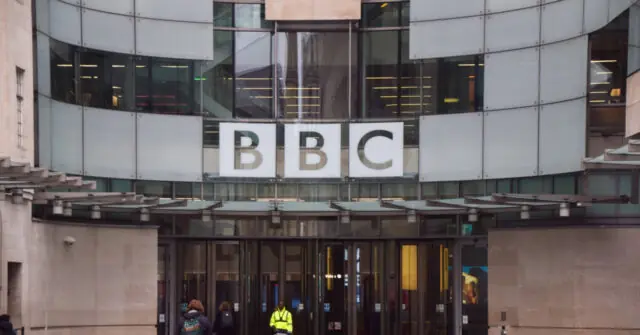
The UK government is reportedly considering an internet tax to support the financially struggling BBC, as the broadcaster faces growing budget shortfalls. The proposal, dubbed the ‘YouTube tax,’ would extend the existing television licence fee to internet-based video platforms, aiming to ensure all users contribute to the public broadcaster’s funding.
Current Licence Fee and Proposed Changes
Currently, every UK resident who watches broadcast television must pay an annual £180 ($239) licence fee, regardless of whether they watch BBC content. This fee was originally intended to fund BBC radio broadcasts but was later expanded to include television after World War II. With the rise of streaming services, the Labour government is reportedly planning to reform the funding model by extending the tax to online video platforms.
Public Resistance and Funding Gaps
According to The Independent, which cited a Whitehall source, the BBC’s charter review is expected to be announced before Christmas, with the current agreement set to expire in December of next year. The proposed ‘YouTube tax’ aims to address the growing number of people who have stopped paying the television licence fee, with around 539,000 people ceasing payments over the past year.
Political Motivations and BBC Bias Allegations
The civil service source suggested that the additional funding could be used to counter ‘conspiracy theories and fake news,’ which they claim have contributed to the rise of Nigel Farage’s Reform UK party. This reflects a broader political tension, as Reform UK has vowed to abolish the BBC licence fee and ensure the broadcaster competes fairly with private media.
BBC Bias and Public Perception
The BBC, which is mandated to provide unbiased news, has long faced accusations of political bias. A report from the News Watch think tank found that BBC Radio 4’s coverage of the 2016 EU referendum was heavily biased against Brexit, with no coverage of its potential benefits. Another study noted that only three per cent of guests on the Today programme were pro-Brexit in the decade leading up to the referendum.
Funding Reform and Charter Review
In addition to the proposed internet tax, BBC director-general Matt Brittain has suggested expanding BBC content to existing streaming services. A BBC spokesman stated that the current funding model is outdated and needs reform, emphasizing the need for sustainable and universal funding. The Department for Culture, Media and Sport (DCMS) has also confirmed that the BBC must be funded by a model that is both sustainable and fair.
Source: Breitbart