Vance Links Online Racism to Foreign-Backed Actors
Vice President JD Vance warns of foreign-paid actors fueling online racism and antisemitism.
2 min read
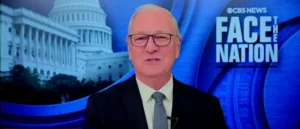
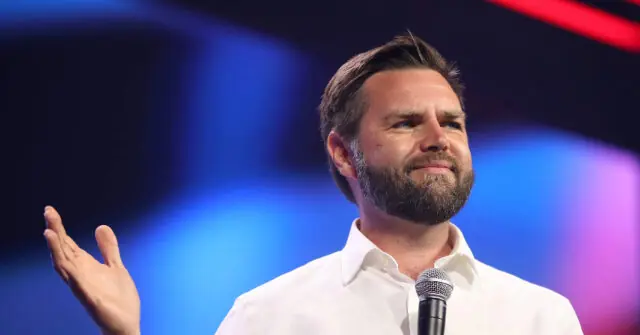
Vice President JD Vance has raised concerns about the role of foreign actors in spreading online racism and antisemitism, during a town hall with CBS on Saturday. Speaking about the growing prevalence of hate speech on the internet, Vance stated that intelligence reports indicate a significant portion of the most virulent racism and antisemitism online is being fueled by foreign-paid actors.
Online Hate and Foreign Influence
In his remarks, Vance emphasized that while the online environment is filled with hate, he remains optimistic about the situation. He stated, ‘I think that there is something very dark going on on the Internet. And the one thing I do try to remind people, as sort of an optimistic take on this, is that we know — and I’ve seen some of the intelligence reports, we know that a lot of the most virulent racism and antisemitism that exists online, a lot of it’s actually coming from foreign-paid actors.’
Vance acknowledged the reality of the hate speech online, affirming that ‘what you’re seeing is real’ and ‘it’s out there.’ However, he cautioned against generalizing the entire population, stating that ‘I would resist the view that most of our fellow citizens’ are bigoted. He stressed that while the problem is serious, it does not define the majority of Americans.
Context and Implications
Vance’s comments come amid heightened concerns about the spread of misinformation and hate speech on social media platforms. His remarks align with broader discussions about the role of foreign influence in shaping domestic political discourse, particularly in the United States. While he did not specify the countries involved, his focus on ‘foreign-paid actors’ suggests a growing awareness of the potential for international actors to manipulate online spaces for political ends.
The vice president’s statements are part of a larger conversation about the intersection of cybersecurity, disinformation, and national security. As the digital landscape continues to evolve, the challenge of distinguishing between genuine public sentiment and orchestrated online campaigns remains a pressing issue for policymakers and cybersecurity experts alike.
Broader Implications for National Security
Vance’s remarks underscore the need for a more proactive approach to combating online disinformation and hate speech. His comments also highlight the importance of international cooperation in addressing the threat of foreign interference in domestic affairs. As the United States continues to grapple with the complexities of the digital age, the role of foreign actors in shaping online discourse will remain a critical area of focus for policymakers and security agencies.
Source: Breitbart