SpaceX Seeks FAA Approval for Over 450 Starship Launches Annually
SpaceX aims to launch over 450 Starship rockets annually, potentially revolutionizing space economics and global satellite deployment.
2 min read
The U.S. Federal Aviation Administration (FAA) is currently reviewing SpaceX’s proposal to launch up to 456 Starship rockets annually from spaceports in Texas, Florida, and Louisiana. This plan, led by Elon Musk, seeks to dramatically increase the pace of space exploration and commercialization.
Cost Reduction and Economic Impact
Currently, the FAA allows SpaceX to launch 25 Starship rockets a year from its Texas spaceport. If approved, the 456-launch plan could slash the cost of sending satellites into orbit from $3,000 per pound to $100-$200. This would mark a major shift in the economics of space travel, enabling a wide range of commercial and scientific applications.
Starship’s Role in Satellite Deployment
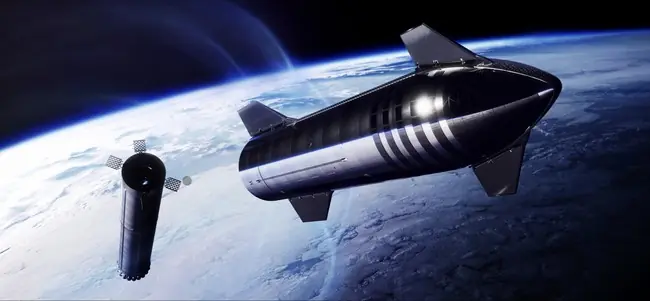
Starship’s massive payload capacity—up to 100 to 150 metric tons per flight—would significantly boost satellite deployment. In September, Starship successfully reached orbit and deployed 26 Starlink V3 satellites, marking the start of a new broadband constellation that could eventually include 100,000 spacecraft. Building such a network would require thousands of launches, with even more needed for SpaceX’s planned Starmind AI megaconstellation, which aims to host a million satellites.
Launch Infrastructure and Landings
SpaceX plans to scale up its operations in two phases. Phase 1 involves up to 100 annual launches and 200 landings, while Phase 2 targets 456 launches and 912 landings. Each flight would include two landings: the Super Heavy booster and the Starship upper stage are designed to return to the launch site and be caught by the “chopstick” arms of the landing tower.
Environmental and Regulatory Considerations
The FAA’s environmental review will examine the potential impacts of frequent rocket launches on ecosystems and the upper atmosphere. Launch sites in Texas, Louisiana, and Florida are in uninhabited areas, but concerns include effects on wildlife, bird migration, marine life, and atmospheric changes from metallic particles introduced by rocket fuel and debris.
Transforming Space Exploration
If realized, SpaceX’s vision could revolutionize space transportation, transforming it from a specialized service into a foundation for a multi-trillion-dollar space economy. The plan could enable orbital manufacturing, space tourism, and even asteroid mining, making space more accessible to a broader audience.
Source: PJ Media