Michigan Senate Debate Intensifies Over National Security, Trade, and Gun Rights
Republican Mike Rogers and Democrat Abdul El-Sayed clash in heated Michigan Senate debate over foreign influence, trade, and gun control.
3 min read
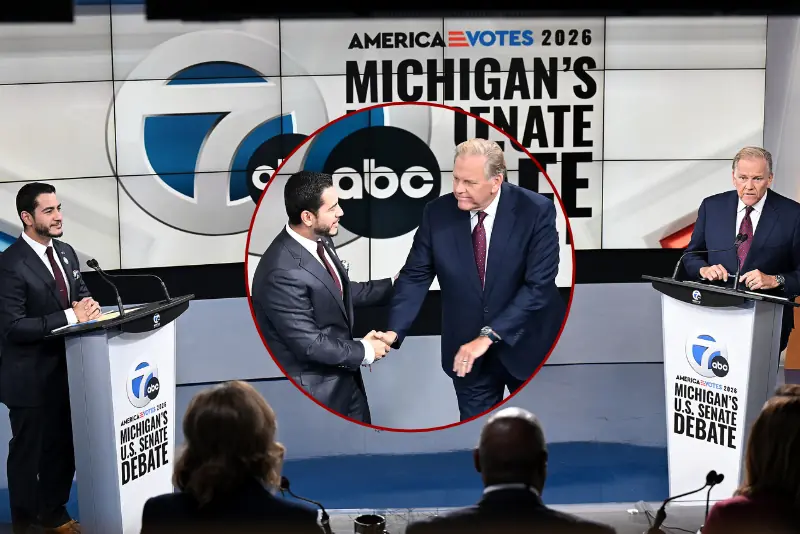
As the final televised debate in the pivotal Michigan U.S. Senate race unfolded on Wednesday, Republican nominee Mike Rogers and Democrat candidate Abdul El-Sayed delivered a fiery exchange over a range of critical issues, including national security, trade policy, and gun control. The debate, held at the WXYZ Channel 7 studios in Southfield, Michigan, highlighted the deep ideological divide between the two candidates as they vied to succeed retiring Democrat Senator Gary Peters.
Foreign Influence and National Security Allegations
The debate kicked off with a particularly explosive moment as Rogers accused El-Sayed of being influenced by the Muslim Brotherhood, labeling him a national security risk. El-Sayed, a former Detroit health director who would become the nation’s first Muslim U.S. senator if elected, vehemently denied the allegations, calling them baseless and beneath the dignity of the race. He emphasized his deep roots in Michigan and his unwavering commitment to the U.S. Constitution, which guarantees religious freedom for all Americans.
Trump’s Influence and Economic Policy
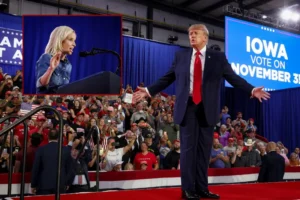
A second major point of contention centered on the candidates’ relationship with former President Donald Trump and his impact on the political landscape. Rogers, who secured Trump’s endorsement to win the Republican nomination, defended protectionist economic policies and hardline immigration enforcement, arguing that current economic missteps have driven up costs for Michigan families. In contrast, El-Sayed directly linked Rogers to Trump’s policies, criticizing conservative foreign and economic strategies for driving inflation, spiking energy prices, and creating global instability.
Gun Control and Public Safety
The third heated clash focused on gun violence and Second Amendment rights, exposing fundamental ideological differences on public safety. El-Sayed pushed for more aggressive gun reform measures, leveraging his background in public health to argue that gun violence should be treated as an urgent national health crisis requiring assault weapon restrictions. Rogers, drawing on his experience in law enforcement and federal intelligence, countered that strict gun control measures infringe on the constitutional rights of law-abiding citizens, arguing that such policies fail to address criminal behavior or underlying mental health challenges.
Trade and Manufacturing Jobs
A fourth critical moment emerged during a debate on international trade and manufacturing jobs, a vital issue for Michigan’s industrial heartland. El-Sayed accused Rogers of supporting trade deals that offshored American manufacturing jobs, citing his long legislative record in the U.S. House of Representatives. Rogers firmly rejected the allegations, pointing out that historical agreements like NAFTA were enacted long before his tenure in Congress and arguing that broad protective tariffs are essential to shield Michigan workers from foreign economic exploitation.
Fitness to Serve and Allegations of Corruption
The fifth key clash saw both candidates questioning each other’s fitness to serve and accusing one another of taking money from special interests. Rogers framed El-Sayed as an out-of-touch radical backed by fringe far-left groups, while El-Sayed accused Rogers of being a secret corporate insider who sold out first responders and working-class voters. With millions of dollars pouring into the competitive race, the televised showdown provided voters with an intense preview of the choices facing Michiganders heading into the election.
Context and Implications
The race for Michigan’s U.S. Senate seat is a critical battleground in a closely divided nation, with the outcome potentially influencing the balance of power in the Senate. Both candidates have drawn on their distinct backgrounds and policy positions to shape their narratives, with El-Sayed emphasizing his experience in public health and his potential as the first Muslim U.S. senator, while Rogers has focused on his law enforcement and intelligence background and his alignment with Trump’s economic and foreign policy positions.
The debate underscored the polarized nature of the race, with each candidate appealing to different segments of the electorate. As the election approaches, the candidates’ positions on national security, economic policy, and public safety will likely play a decisive role in shaping voter sentiment. With the stakes high and the race tight, the outcome of this Senate race could have far-reaching implications for the national political landscape.
Source: OANN