U.S. and Israel Plan Post-Election Strikes on Iran
U.S. and Israel plan post-election strikes on Iran amid ongoing tensions and strategic maneuvering.
3 min read
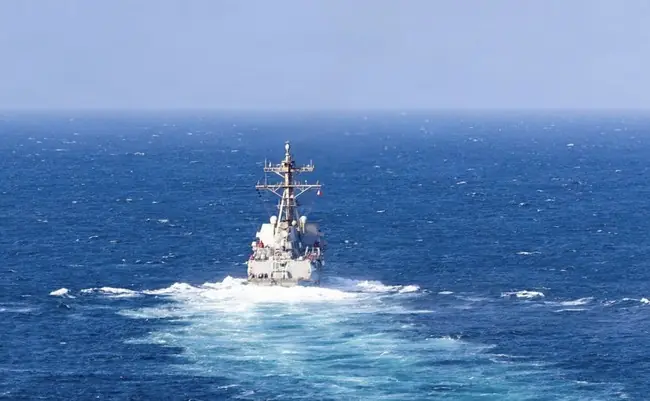
Earlier this summer, Israel and the United States came within hours of launching devastating new strikes on Iran. Planes warmed up on the runway, ships were poised to launch cruise missiles, and other planes taking off from bases in Diego Garcia were en route. However, President Trump called off the attack, reportedly due to fears of an oil price spike before the election. Shortly after the canceled attack, Trump announced he would not attack Iran before the November 3 elections.
Planning and Cancellations
It has been months of repeated planning efforts, with military assets being readied only to be canceled again. With each canceled strike, Iran has reportedly hardened its position on ending its nuclear program and relinquishing control of the Strait of Hormuz. Recently, it has been leaked that Trump and Israeli Prime Minister Benjamin Netanyahu are planning another round of strikes on Iran to take place after the elections in both countries.
According to The New York Times, as planning for a short but intensive operation progresses, the U.S. and Israeli militaries have stepped up exercises, flying planes over Iraq to practice strike maneuvers. Defense Secretary Pete Hegseth met with Prime Minister Benjamin Netanyahu in Israel this week to discuss new strikes, U.S. officials said. Sources tell the Times that the targets would likely include Iran’s energy infrastructure, nuclear facilities, and missile and drone arsenal.
Strategic Implications
While blowing up Iran’s infrastructure is a strategic move, it remains unclear whether such a massive strike would advance U.S. and Israeli war aims. Will it help bring down the Iranian regime or force Iran to give up its nuclear program? Some analysts suggest that massive strikes on the Iranian oil industry and other economically valuable assets could, theoretically, cause the Iranians to make concessions. However, given Iran’s fanatical religious zealotry and nationalism, it is doubtful that more high explosives will get them to yield.
Dana Stroul, who served in the Biden administration, noted that the conventional military campaign and current economic sanctions have not brought the regime to the negotiating table in a meaningful way. The repeated planning efforts followed by Trump’s decisions against new attacks have caused “day-to-day whiplash” among military planners, according to one commander who spoke on the condition of anonymity.
Iran’s leadership has become less conciliatory, convinced that the ultimate U.S. and Israeli goal is to topple its government. The new supreme leader, Ayatollah Mojtaba Khamenei, remains an enigma to U.S. and Israeli intelligence officials. Some officials say he is not as powerful as his father, who was killed early in the war, and that hard-line members of Iran’s Islamic Revolutionary Guards Corps make key decisions.
Peiman Salehi, a political analyst in Tehran, said, “The war has made us understand that the best leverage for pressuring Trump is increasing oil and energy prices because it will hurt the American people.” Mahdi Mohammadi, a senior adviser to Iran’s negotiator, said, “Our attacks will be more fierce, creative, and different. We are determined and confident, and strong planning has been put in place.”
Despite the planning, many believe that another round of strikes in Iran would change nothing and only harden Iran’s negotiating position. Wars are won in the will, and Iran seems to think it can walk away with a better deal by stonewalling the U.S., forcing us to make concessions simply because we want the conflict to end.
Source: PJ Media