Israeli Voters Decide Netanyahu’s Fate in High-Stakes Election
Israelis head to the polls in a pivotal election that could end Netanyahu’s leadership amid security failures and political tensions.
4 min read
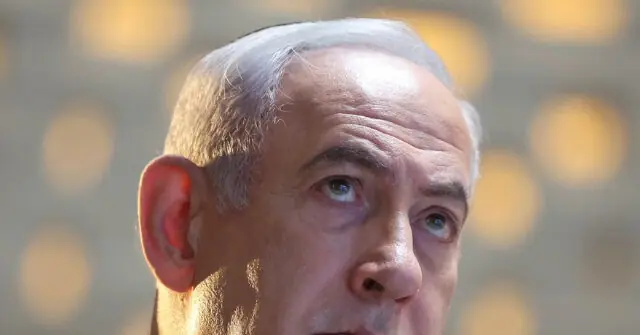
Israeli voters cast their ballots in a high-stakes election that could determine the future of Prime Minister Benjamin Netanyahu’s leadership. The vote, held on a day of heightened political tension, has drawn significant public attention as citizens weigh the consequences of their choices in light of the October 7 Hamas attack and its aftermath. With heavy turnout reported early in the day and a surge to nearly 50% of voters by mid-afternoon, the election has the potential to reshape the political landscape of Israel.
Controversy Over Security Failures
Netanyahu’s opponents have intensified their campaign by focusing on the security failures leading up to the October 7 Hamas attack. Critics argue that the prime minister received actionable warnings from Egypt about the impending attack but failed to act on them. These allegations have become a central issue in the campaign, with Netanyahu’s opponents demanding a formal investigation into the security lapses that contributed to the massacre.
Netanyahu has firmly opposed any independent inquiry, claiming that such an investigation would divert attention from the urgent tasks of securing Gaza, defeating Hezbollah in Lebanon, and addressing threats from Iran. His supporters argue that portraying him as soft on national security is an unfair characterization, given his aggressive leadership during the Gaza War and the Iran crisis.
Political Rival Gadi Eisenkot Gains Momentum
Gadi Eisenkot, a former general and chief of staff for the Israel Defense Forces (IDF), has emerged as a leading candidate in the race. Early reports indicate strong support for Eisenkot, with late polling suggesting he could be the next prime minister. Eisenkot, who is running as a political outsider, has positioned himself as a tough leader on security issues but without the controversies and scandals that have surrounded Netanyahu and his Likud party.
Eisenkot’s candidacy has also drawn attention due to his unique background as a Mizrahi Jew, meaning he has lived in the Muslim world. As the son of Moroccan immigrants to Israel, his ethnic heritage could give him added appeal to Israel’s Arab voters, who are reportedly turning out in substantial numbers. If Eisenkot wins, he would become the first Mizrahi prime minister in Israeli history.
Internal Political Struggles and Military Tensions
The election has also been marked by internal political struggles, particularly regarding the IDF Chief of Staff, Lt. Gen. Eyal Zamir. Rumors have circulated that Netanyahu plans to fire Zamir over his opposition to renewed military action against Iran in the final weeks of the election season. Israel’s Mossad security service has reportedly aligned with Netanyahu, creating a political dispute behind the scenes.
Netanyahu has denied reports of friction with Zamir, accusing his opponents of trying to obscure the fact that Zamir himself has acknowledged Iran’s interference in the elections. Eisenkot, however, has publicly supported Zamir and promised to keep him in his post, emphasizing the importance of maintaining strong leadership within the IDF for Israel’s security.
Netanyahu’s Response and Political Strategy
Netanyahu has responded to the mounting pressure by dismissing the Zamir rumors as “fake news” and highlighting his strong relationship with U.S. President Donald Trump. He has vowed to continue working with Trump to address the Iranian nuclear threat and to sign peace agreements with additional countries. Despite the challenges, Netanyahu remains confident in his ability to secure a majority and continue his leadership.
However, analysts are cautious about Netanyahu’s chances, pointing out that the election could result in a significant shift in the political landscape. If Arab voters, who have historically boycotted elections due to their skepticism of the Israeli government, turn out in large numbers, it could complicate Netanyahu’s path to forming a government. Smaller right-wing parties that typically support Likud may also see a decline in their parliamentary representation.
Consequences of the Election and the Road Ahead
The election’s outcome could have far-reaching consequences for Israel’s political and security landscape. If Netanyahu loses, he may remain in office as a “caretaker” prime minister until a coalition can be formed to replace him. This scenario is seen as one of the more likely outcomes, given the close nature of Israeli elections and the potential for party squabbles to delay the formation of a new government.
Meanwhile, the increased voter turnout, which has surged to nearly 50% by mid-afternoon, reflects a significant shift in Israeli political engagement. This level of participation, the highest since the 1980s and possibly the highest in Israel’s history, underscores the importance of the election for the country’s future. With the results still pending, the focus remains on the potential for a new era of leadership in Israel, one that may be shaped by the choices of its voters.
Source: Breitbart