California Polls Show Becerra Leads, But History Warns Against Reading Too Much Into Them
California polls show Xavier Becerra leading Steve Hilton, but historical trends suggest polls don’t always predict election outcomes.
2 min read
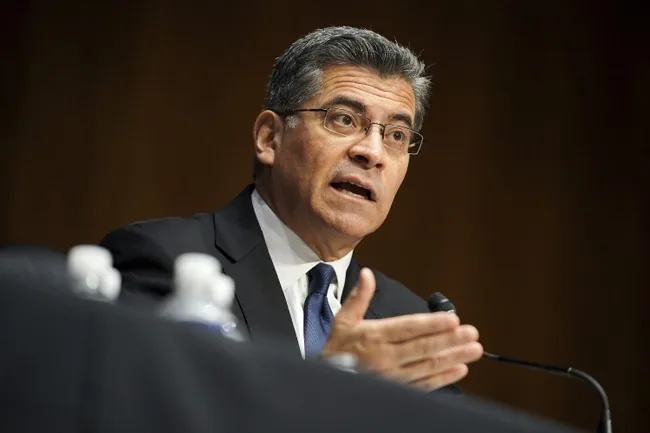
California’s gubernatorial race has seen Xavier Becerra, the Democratic nominee, maintain a significant lead over Republican Steve Hilton, according to recent polls. The latest UC Berkeley Institute of Governmental Studies survey indicates Becerra leads 58% to 33% among likely voters, a margin that has grown since May. However, experts caution that historical data suggests polls are not always accurate predictors of election results.
Current Polls and Concerns
The UC Berkeley poll, which includes 4,512 likely voters and has a margin of error of about 2 points, highlights California’s economic challenges as a key concern for voters. High costs of living, particularly in housing and fuel, are cited as the top issue. Despite this, the gap between Becerra and Hilton has widened, with the Democrat leading by 25 points in the latest survey.
Historical Precedents and Polling Accuracy
Historical data from past elections shows that late polls often overestimate the lead of the incumbent party. For instance, in the 2016 and 2020 presidential elections, polls consistently overestimated Democratic support and underestimated Republican gains. The American Association for Public Opinion Research noted that in 2024, Democratic margins were overstated by an average of 2.7 points.
Challenges in Polling and Voter Behavior
Polls measure voter sentiment at a specific moment, but voter behavior can change significantly as election day approaches. Turnout fluctuations, shifting opinions, and the difficulty in reaching certain voter groups can all affect the accuracy of polls. The 2016 election, where Hillary Clinton’s lead was overestimated, serves as a reminder that polls do not always reflect the final outcome.
Recent Examples and Cautionary Tales
Recent examples, such as the 2022 Wisconsin Senate race, where polls initially showed a Democratic lead but ultimately resulted in a narrow Republican victory, further illustrate the limitations of polling. These cases highlight the importance of monitoring actual voter behavior rather than relying solely on pre-election polls.
While the current polls suggest a strong lead for Becerra, the historical context emphasizes the need for caution. California voters may ultimately deliver a different result, underscoring the value of watching the actual votes rather than treating September polls as a definitive forecast for November.
Source: PJ Media