Digital Towers Launch in U.S. Airports, Human Oversight Remains
FAA deploys digital towers at Bartow and Kenai airports, enhancing visibility without replacing human controllers.
2 min read
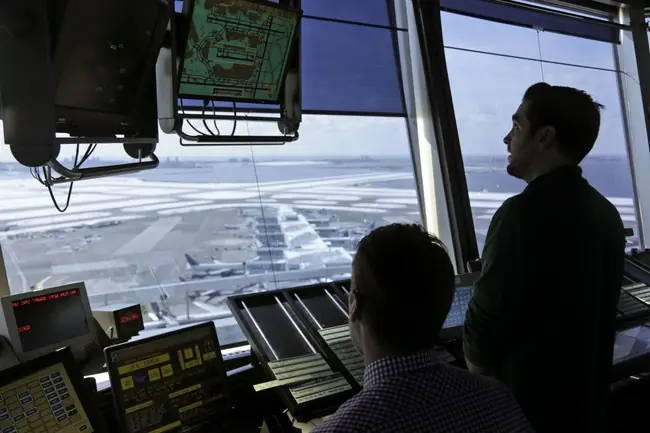
Two U.S. airports have launched digital control towers, offering controllers enhanced visibility without replacing human oversight. The Federal Aviation Administration (FAA) announced that digital towers are now operational at Bartow Executive Airport in Florida and Kenai Municipal Airport in Alaska, marking a step forward in modernizing air traffic control.
Technology Enhances Visibility, Not Replacement
The digital towers use cameras, sensors, and dedicated displays to provide a 360-degree view of runways, taxiways, and nearby airspace. Controllers rely on this information to manage air traffic safely, with human judgment still central to decision-making. The FAA emphasized that the technology aims to support, not replace, the critical work of air traffic controllers.
Funding from President Trump’s Working Families Tax Cut Act will soon expand the digital tower initiative to five more non-towered airports, including Winter Haven Regional and Venice Municipal in Florida, Montgomery County Airpark in Maryland, Johnston Regional in North Carolina, and Durango-La Plata County in Colorado. These installations aim to provide a more cost-effective alternative to traditional towers, particularly for smaller communities.
Design and Implementation Details
The digital tower solution at Bartow, implemented by Frequentis, integrates voice, recording, and terminal information, including weather data, onto a single platform. This setup is designed to reduce complexity, modernize infrastructure, and support long-term innovation goals. The project, set for summer 2025, highlights the FAA’s commitment to enhancing operational efficiency and safety.
Despite the technological advancements, the FAA stresses the importance of reliable performance and thorough testing. The installations require dedicated infrastructure, including a closed, fiber-optic network, and wireless transmission is not currently permitted. These standards ensure that the systems meet aviation safety requirements.
Public and Community Interest
Residents in smaller communities are encouraged to examine the potential benefits of digital towers, which could expand access to tower services at rural and community airports. While the technology offers promise, the FAA and airports must provide detailed cost information, including installation, training, maintenance, and service interruptions, to ensure long-term viability.
Source: PJ Media