Alito Recuses From Climate Case Amid Stock Ties
Supreme Court Justice Samuel Alito recuses from landmark climate case, citing stock ownership in fossil fuel companies.
2 min read
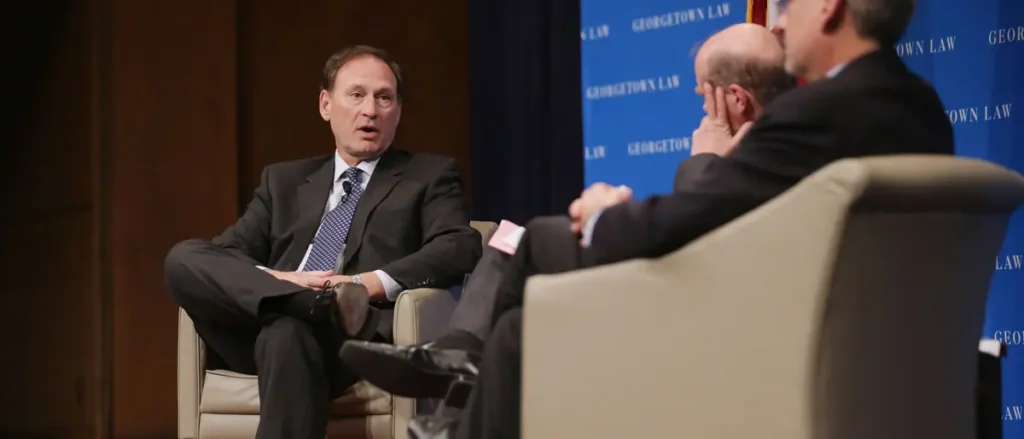
Supreme Court Associate Justice Samuel Alito has recused himself from a landmark climate case one week before oral arguments are set to begin, according to a letter from the court’s clerk. The decision comes as the court prepares to hear arguments in Suncor Energy v. County Commissioners of Boulder County, a case that could shape the legal landscape of climate litigation in the U.S.
Recusal and Financial Ties
Justice Alito’s recusal was confirmed by Clerk Scott Harris, who informed the parties in the case that Alito would not continue to participate. The letter did not provide an explicit reason for his decision, though it was previously reported that Alito owns stock in several oil and gas companies, including Phillips 66, OGE Energy Corp, and BHP Group. However, he does not hold stock in either of the companies involved in the case.
Alito had initially resisted calls to recuse himself from the case, but had stepped aside earlier in 2023 when the litigation reached the Supreme Court. The case now faces a new chapter as the court prepares to hear arguments on October 5, which will be the first case of the 2026 term.
Legal Battle Over Climate Liability
The case centers on whether states can use their own laws to seek damages from fossil fuel companies for alleged climate-related harms. Boulder County and the City of Boulder sued Suncor Energy and ExxonMobil in 2018, alleging that the companies’ production and promotion of fossil fuels contributed to climate change and caused local harms. The lawsuit includes claims of public and private nuisance, trespass, unjust enrichment, and civil conspiracy under Colorado law.
Suncor and ExxonMobil argue that claims involving interstate and international greenhouse gas emissions are governed by federal law and cannot be imposed through a state’s tort system. The case has drawn support from environmental groups and Democratic-led governments, while free speech advocates have raised concerns about the potential impact on the First Amendment.
Broader Implications for Climate Litigation
The outcome of the case could have significant implications for similar climate lawsuits across the country. Climate litigation advocates have expressed interest in using consumer protection and state tort laws to continue pursuing fossil fuel companies, even if the Supreme Court limits such cases.
Alito’s recusal follows growing scrutiny over the connections between climate litigation and the judiciary. In Hawaii, a watchdog group has sought records concerning interactions between climate advocates and judges through judicial education programs. The state’s former Supreme Court Chief Justice Mark Recktenwald previously disclosed participation in environmental education programs connected to the Environmental Law Institute, which co-founded the Climate Judiciary Project.
Source: Daily Caller