California Eradicates Mule Deer on Catalina Island
California Fish and Wildlife launches multi-year project to eliminate mule deer on Catalina Island to protect native vegetation.
2 min read
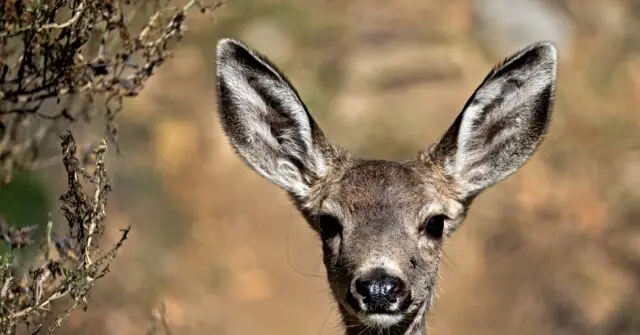
California’s Department of Fish and Wildlife has authorized a multi-year plan to eradicate the mule deer population on Catalina Island, a project backed by the Santa Catalina Island Conservancy. The initiative, known as the Catalina Island Restoration Project, aims to protect native vegetation and restore the island’s ecosystem by removing the deer, which were introduced in the 1920s.
Project Overview and Goals
The project is designed to occur over several years, with various methods employed to achieve its goal. In the first year, professional shooting with bait and water sites, as well as nocturnal ground shooting, will be used. Year two will involve aerial net capture and ground shooting with detection dogs and helicopter support, with the methods evolving as the project progresses.
The Conservancy, which owns 42,000 acres—about 80% of the island—has been promoting the project as essential for ecological recovery. According to a summary published by the California Fish and Wildlife, mule deer have reduced rare and endemic vegetation on the island, allowing invasive plants to outcompete native species. This has contributed to habitat type conversion, threatening the island’s unique biodiversity.
Legal and Public Response
Despite the project’s ecological rationale, it has faced opposition. In early August 2026, Safari Club International and others sought to block the plan in court. However, on September 3, 2026, a judge ruled in favor of the conservancy, allowing the eradication of nearly all 2,000 mule deer on the island.
Protesters, including the Coalition Against the Slaughter of Catalina Deer, have voiced their concerns, with demonstrations occurring as visitors arrive on the island. The group argues that the project is unnecessary and harmful to the island’s ecosystem and its inhabitants.
The project highlights the ongoing debate over ecological management and the ethical considerations of wildlife eradication. As the methods continue to evolve, the outcome of this initiative will likely shape future conservation efforts on the island and beyond.
Source: Breitbart