California Spends Millions on Luxury Food for Illegal Immigrants
California uses Medicaid funds to provide free luxury meals to illegal immigrants, sparking controversy over taxpayer spending.
2 min read
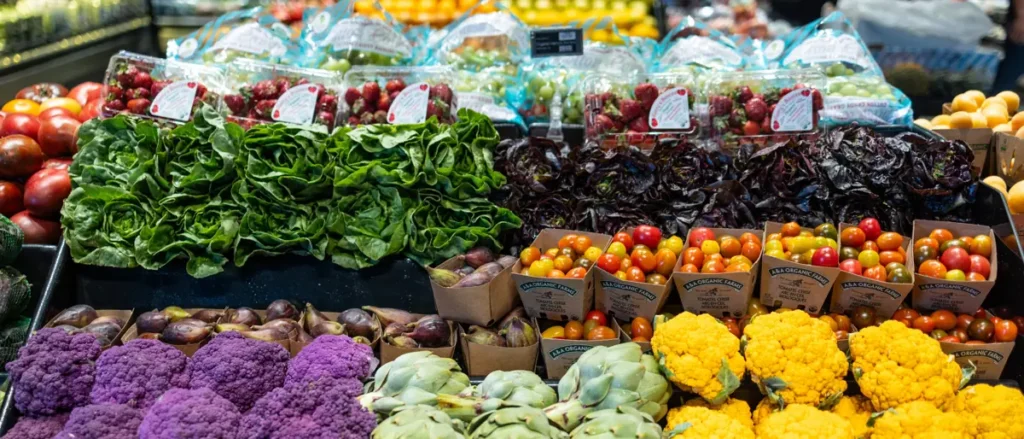
Amid rising grocery costs across the U.S., California is reportedly using Medicaid funds to provide free luxury meals to millions of residents, including illegal immigrants. A recent report from City Journal reveals that the state’s Medi-Cal program, under Democratic Governor Gavin Newsom’s $12 billion Medicaid reform package, CalAIM, is sending free meals and groceries such as salmon, beef, and organic produce to eligible recipients.
Medi-Cal and CalAIM Programs
Enrollees in California’s Medi-Cal program, including millions of undocumented immigrants, receive free meals and groceries weekly. To qualify, recipients must have a chronic health condition or mental health issue. Medi-Cal then pays California-based food contractors to deliver these meals to recipients’ doorsteps for up to 12 weeks.
Contractors and Costs
One of these contractors, Project FoodBox, is the nation’s largest biller of Medicaid code S9977, which includes medically tailored food. Between 2022 and 2024, Project FoodBox received $67.8 million in Medicaid funds. Another contractor, Bento Health, received over $7.7 million to provide curated groceries, including luxury food items to undocumented immigrants.
Costs to Taxpayers
The report found that these programs cost taxpayers over $1,500 for a single recipient. Nearly 14 million people in California are enrolled in Medi-Cal, with over 1.6 million undocumented individuals receiving free healthcare under the state’s extended coverage.
Free Food for Illegal Immigrants
Although the state has frozen new enrollments for undocumented immigrants, existing recipients can still keep their coverage, allowing them to receive these state-funded luxury food boxes for free. The report comes amid a federal deferral of $1.2 billion in Medicaid funding to California.
California’s Grocery Prices
California is the most expensive state for groceries in the U.S., with prices nearly 11% above the national average. A recent study found that nearly 20% of working adults must use savings to afford weekly groceries, highlighting the affordability crisis that has led to this state-level policy.
Source: Daily Caller