California Voters Reject Voter ID Measure in Midterm Election
Proposition 39, a voter ID initiative, failed in California with over 58% of voters opposing the measure.
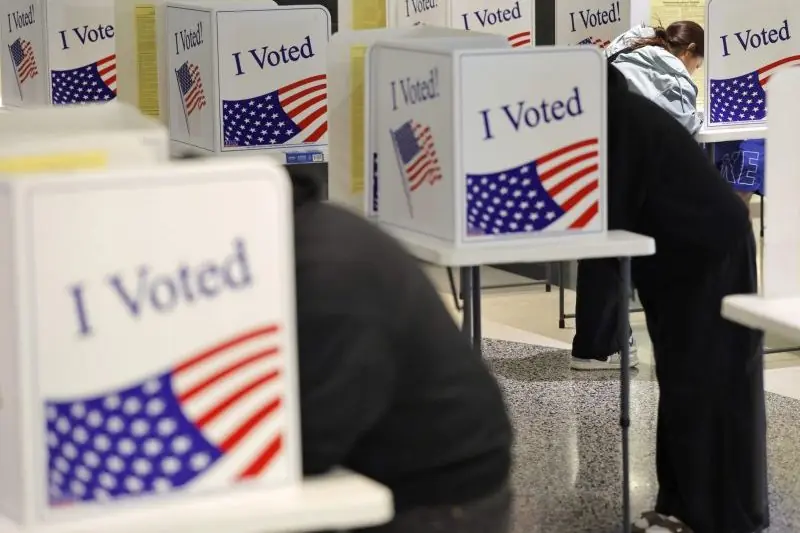
2 min read
California voters have rejected a proposed voter identification measure, with Proposition 39 failing to pass in the midterm elections. The measure, which aimed to require voters to present proof of citizenship or an ID when voting, was soundly defeated, with 58.6% of voters casting a ‘No’ vote.
Prop 39 Details and Voter Participation
Proposition 39, which qualified for the ballot after collecting over a million signatures, would have mandated voters to provide proof of citizenship when registering to vote and to bring an ID when voting at the polls. Alternatively, voters could provide the last four digits of a government ID, such as a Social Security number, when submitting a mail-in ballot. Under current California law, voters only need to verify their identity when registering to vote.
On election day, the ‘No’ vote received 4.495,607 votes, while the ‘Yes’ vote garnered 3,176,217 votes. The Associated Press called the race at about 9:40 p.m., with 59% of votes counted. The measure faced strong opposition from Democrats and prominent figures, including outgoing Governor Gavin Newsom and Senator Adam Schiff.
Political and Financial Backing
The Democrat Party contributed nearly $6.5 million to the opposition campaign against Prop 39. Governor-elect Xavier Becerra also created a committee to raise money to oppose its passage. U.S. Senator Alex Padilla, a Democrat, stated that the defeat of Prop 39 was a victory for voting rights and democracy.
On the other hand, the measure was championed by Reform California and its creator, Republican Assemblymember Carl DeMaio. DeMaio emphasized the importance of restoring trust in elections through voter ID, stating that the fight for voter ID would continue regardless of the election outcome.
Broader Implications
The failure of Prop 39 highlights the ongoing debate over voting rights and election integrity in California. The measure was framed by its supporters as a way to increase trust and confidence in elections, but opponents argued it would add unnecessary barriers and risk voter suppression.
Source: OANN