California vs. Texas: Feral Hog Control Methods in Spotlight
California and Texas take different approaches to feral hog control, with Texas praised for its effective strategies.
2 min read
California and Texas are taking different approaches to managing feral hog populations, with Texas praised for its effective strategies and California facing criticism for its regulatory hurdles. A recent social media post by The Outdoor Channel highlighted the contrast, showcasing Texas’s aggressive hunting methods compared to California’s more restrictive measures.
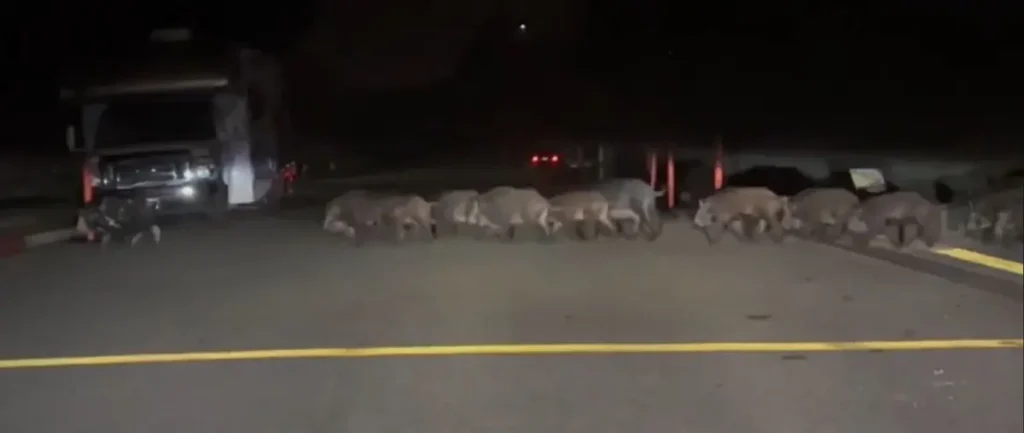
In a 2022 report by NBC Bay Area, solutions for deterring feral hogs in San Jose, California, included artificial turf, hazing with loud noises, and using a paint gun. The Outdoor Channel then contrasted this with a video showing Texas hunters using firearms at night from vehicles, emphasizing the effectiveness of Texas’s approach.
Would you prefer removing hogs the California way or the Texas way? 🏹🐗 📸@ultimatenightvision #FindYourAdventure #outdoors #hunting #hogs #hoghunting https://t.co/z9vQkgc3xS
Sportsmen’s Alliance Vice President Brian Lynn criticized California’s methods, stating that the state’s regulations increase the cost and difficulty of hunting. “California government regulations don’t help the situation,” Lynn said. “Throwing tag costs and non-lead ammo requirements on top of that only increase the costs and make it harder and more expensive. The state should be focused on cutting into the $1.5 billion in agriculture damage that pigs commit in California every single year instead of trying to regulate every step and make a buck.”
Lynn also noted that wild pigs are highly intelligent and prolific, with few natural predators. “They have one of the great senses of smell in the animal kingdom, sounder groups work cooperatively, and with hunting pressure they will go nocturnal quickly; which again runs headlong into California regulations forbidding the use of thermals and other night hunting except under very specific agriculture depredation permits,” he added.
Texas allows hunters to pursue feral hogs 24 hours a day, seven days a week, with no restrictions on the number of hogs that can be taken. Hunters can use thermal imaging, artificial lighting, and hunt from various platforms including boats, cars, and aircraft. This flexibility is seen as a key factor in managing the hog population effectively.
There are at least 6 million feral hogs across the U.S., causing over $1.6 billion in agricultural damage annually. California’s Department of Fish and Wildlife recommends fencing, USDA Wildlife Services, and depredation permits as management strategies. However, these methods are often seen as insufficient given the scale of the problem.
While Texas and Oklahoma host the majority of feral hogs, the animals are now found in 42 states, including California. Despite being the second-most popular big game, hunting only removes about 24% of the population, and culling needs to be three times higher to maintain balance.
Source: Daily Caller